

As Cosmos Hub's ATOM trades at $2.07, up and $0.1000 ( and 0.0508%) over the last 24 hours with a high of $2.10 and low of $1.89, chain operators face a pivotal moment. Upgrading to Cosmos SDK v0.53 and IBC v10 isn't just technical housekeeping; it's a strategic move to supercharge IBC interoperability amid rising multi-chain demand. These updates streamline cross-chain asset transfers and data feeds, positioning your chain for the next wave of dApps.
I've seen firsthand how lagging upgrades erode market share in hybrid analysis. Chains stuck on older SDK versions struggle with unordered transactions and epoch management, missing out on efficient processing that IBC v10 amplifies. Cosmos Hub's Proposal 1003 upgrade to v0.53.0 proves the point: it slashed technical debt, paving smoother paths for Ethereum bridges and beyond.
Unlocking Performance Gains in SDK v0.53
The Cosmos SDK v0.53 upgrade rolls out game-changers like the x/protocolpool module for streamlined protocol handling and x/epochs for precise time-based logic. Unordered transactions cut congestion, letting validators process packets faster without legacy fee middleware headaches. For developers wiring IBC apps, this means fewer bottlenecks in high-throughput scenarios.
Take Terra Classic's Eureka upgrade: they jumped IBC-Go from v7.10.0 straight to v10. x.0, enabling v2 routing and validating message flows. Similar paths await your chain, but expect migration tweaks for state compatibility. Cosmos docs outline module architecture and state management, essential for custom setups.
Hybrid insights: These tweaks don't just fix bugs; they future-proof against interchain rivals eyeing Cosmos liquidity.
Streamlining IBC v10 for Seamless Channels
IBC v10 integration dials up upgradability, building on v8.1.0's channel upgrades. Gone is the clunky fee middleware, replaced by intuitive routing that eases connections to EVM chains. Custom IBC clients now handle upgrades gracefully, per the light client guide, ensuring counterparties don't break on fork heights.
Automated upgrades via proposals or manual fork blocks simplify the Cosmos chain upgrade guide. Set the height, download the binary, migrate state, and you're live. Unification's Taryon update to v0.53.4 shows real-world wiring: app parameters tuned for IBC v2 logic, tested rigorously before mainnet.
Opinion ahead: Skip this, and your chain risks isolation as hubs like Cosmos consolidate at $2.07. IBC v10's protocol simplifications make it the interoperability update every validator should chase, especially with oracle feeds demanding reliability.
Prep Steps Before Your SDK v0.53 Migration
Start with a testnet dry-run, mirroring Cosmos Hub's Gaia v25 unfork. Audit IBC clients for upgrade handlers; if your chain breaks counterparties, coordinate via proposals. GitHub's step-by-step for SDK chains stresses validating post-upgrade flows, from packet acknowledgments to channel handshakes.
Cosmos (ATOM) Price Prediction 2027-2032
Post-SDK v0.53 and IBC v10 Upgrades: Enhanced Interoperability Driving Short-to-Medium Term Growth
| Year | Minimum Price ($) | Average Price ($) | Maximum Price ($) |
|---|---|---|---|
| 2027 | $2.20 | $4.25 | $7.50 |
| 2028 | $3.00 | $6.50 | $13.00 |
| 2029 | $3.80 | $9.20 | $18.50 |
| 2030 | $5.00 | $13.00 | $26.00 |
| 2031 | $6.50 | $17.50 | $35.00 |
| 2032 | $8.00 | $23.00 | $48.00 |
Price Prediction Summary
Following the Cosmos Hub's upgrade to SDK v0.53 and IBC v10, ATOM is expected to benefit from improved interoperability, reduced technical debt, and seamless connections with ecosystems like Ethereum. Starting from $2.07 in 2026, predictions reflect a bullish trajectory with average prices potentially reaching $23 by 2032, driven by adoption growth and market cycles, though minimums account for bearish regulatory or competitive pressures.
Key Factors Affecting Cosmos Price
- Enhanced IBC v10 upgradability and SDK v0.53 features like unordered transactions boosting network efficiency and developer adoption
- Increased TVL and cross-chain activity post-upgrades, positioning Cosmos as a leader in interoperability
- Bullish market cycles aligned with Bitcoin halvings and broader crypto adoption trends
- Potential regulatory clarity favoring decentralized ecosystems
- Competition from Ethereum L2s and other L1s like Solana impacting market share
- Macro factors including global economic conditions and institutional inflows
Disclaimer: Cryptocurrency price predictions are speculative and based on current market analysis. Actual prices may vary significantly due to market volatility, regulatory changes, and other factors. Always do your own research before making investment decisions.
Validators, prioritize x/epochs wiring for governance epochs; devs, leverage protocolpool for extensible pools. This half of the journey sets the foundation; next, we'll dissect code snippets and pitfalls.
- Backup state pre-fork.
- Test IBC v10 routing locally.
- Monitor ATOM at $2.07 for sentiment signals.
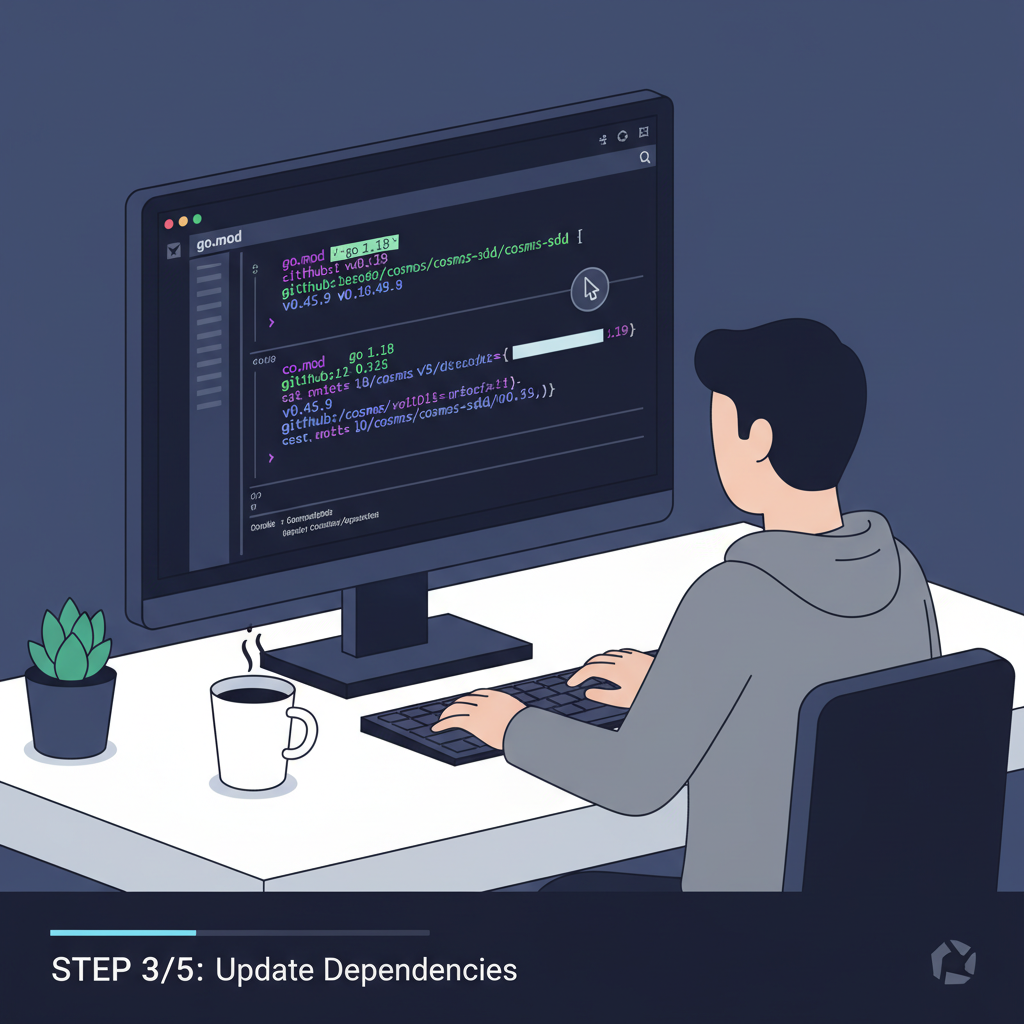
Now, let's get hands-on with the cosmos sdk v0.53 upgrade. Picture this: your app. go file needs tweaks to wire in the new modules without crashing existing IBC channels.
Hands-On Guide: Upgrade Cosmos Chains to SDK v0.53 + IBC v10
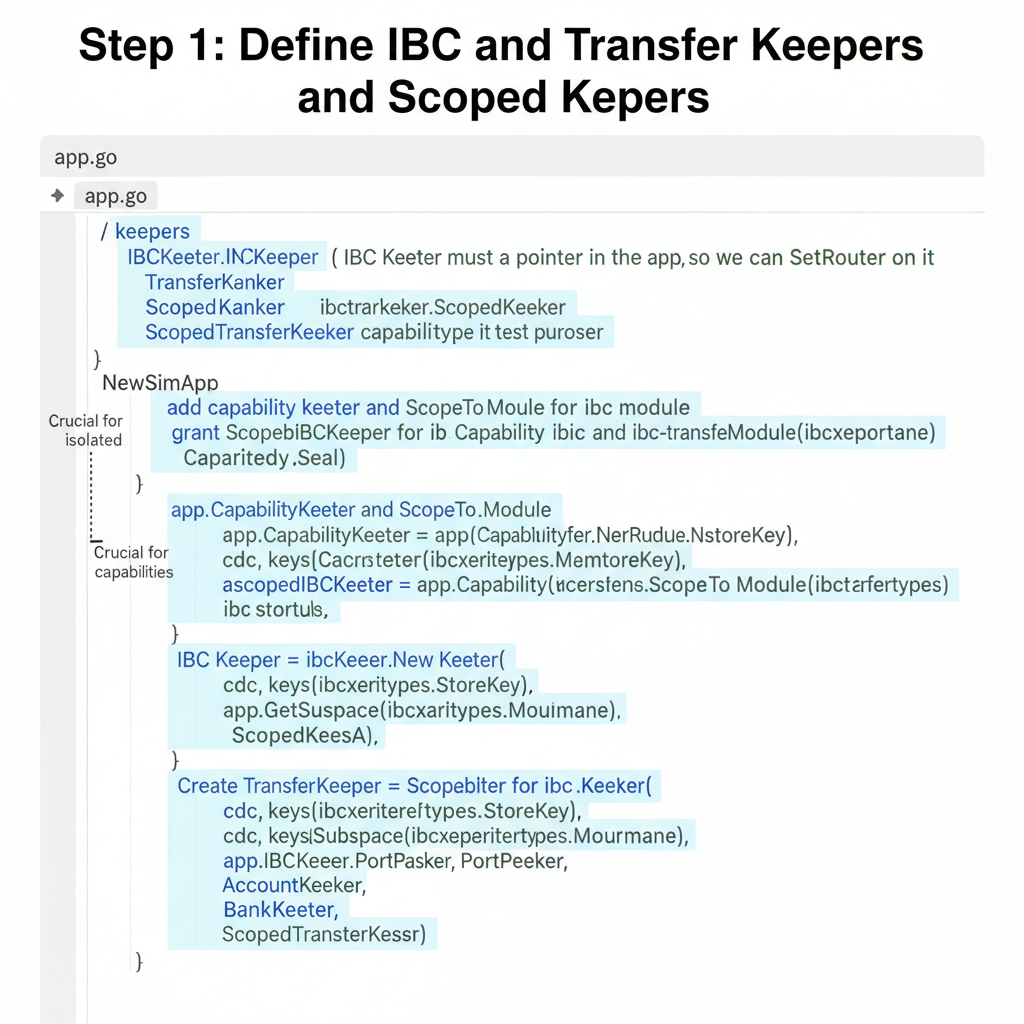
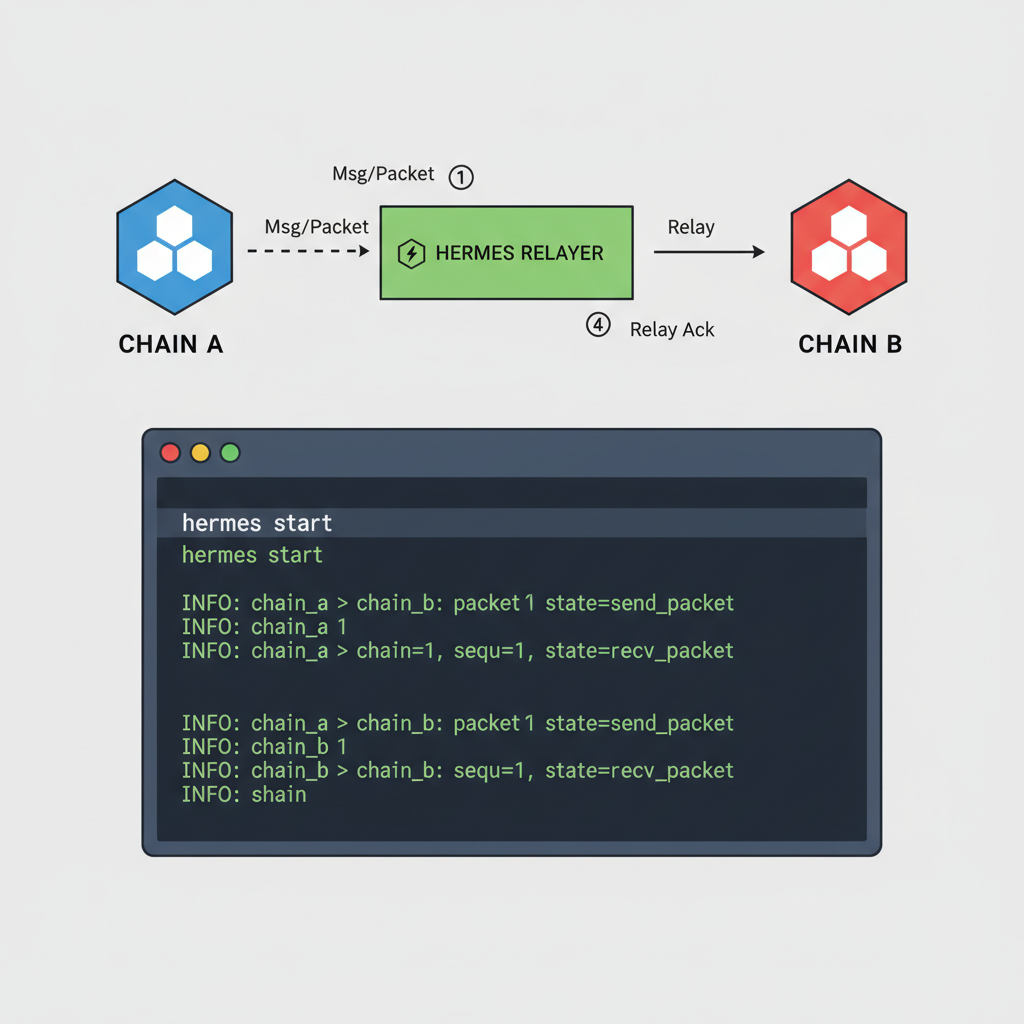
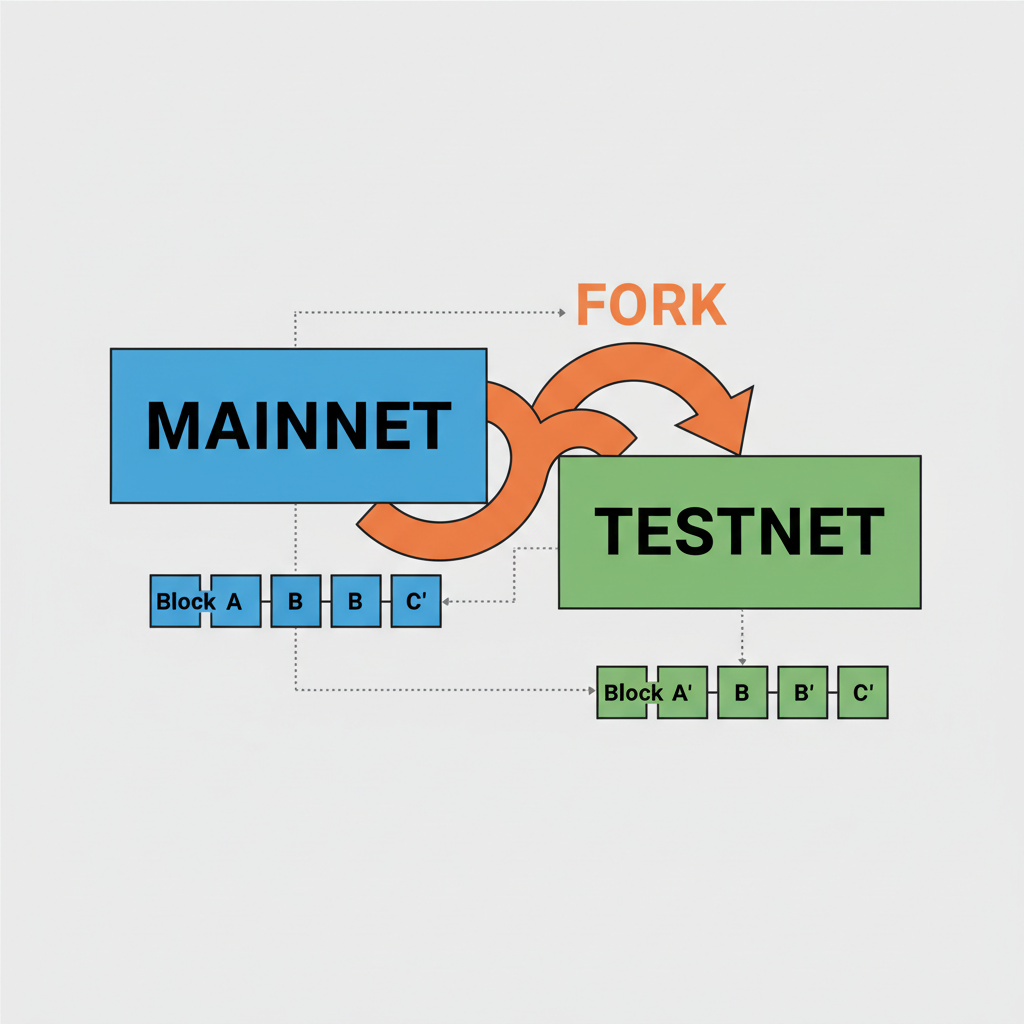
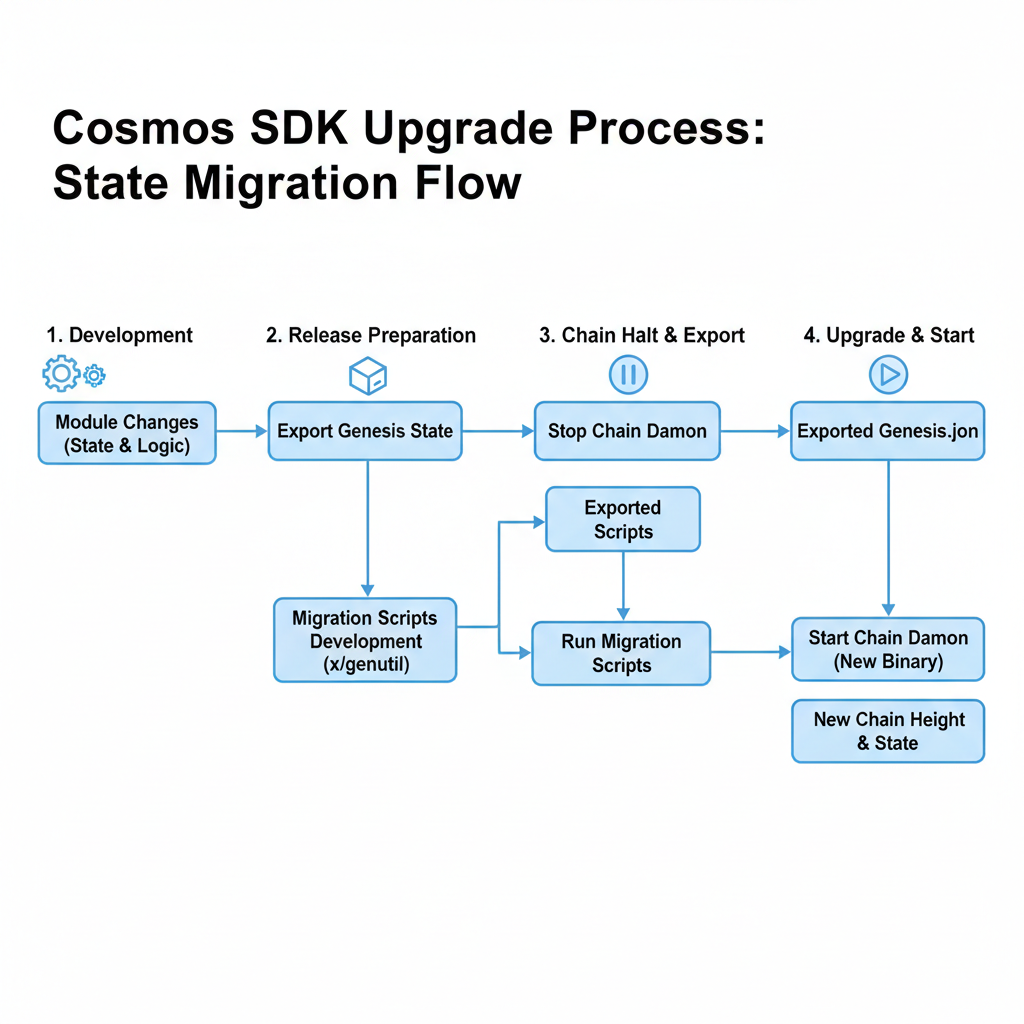
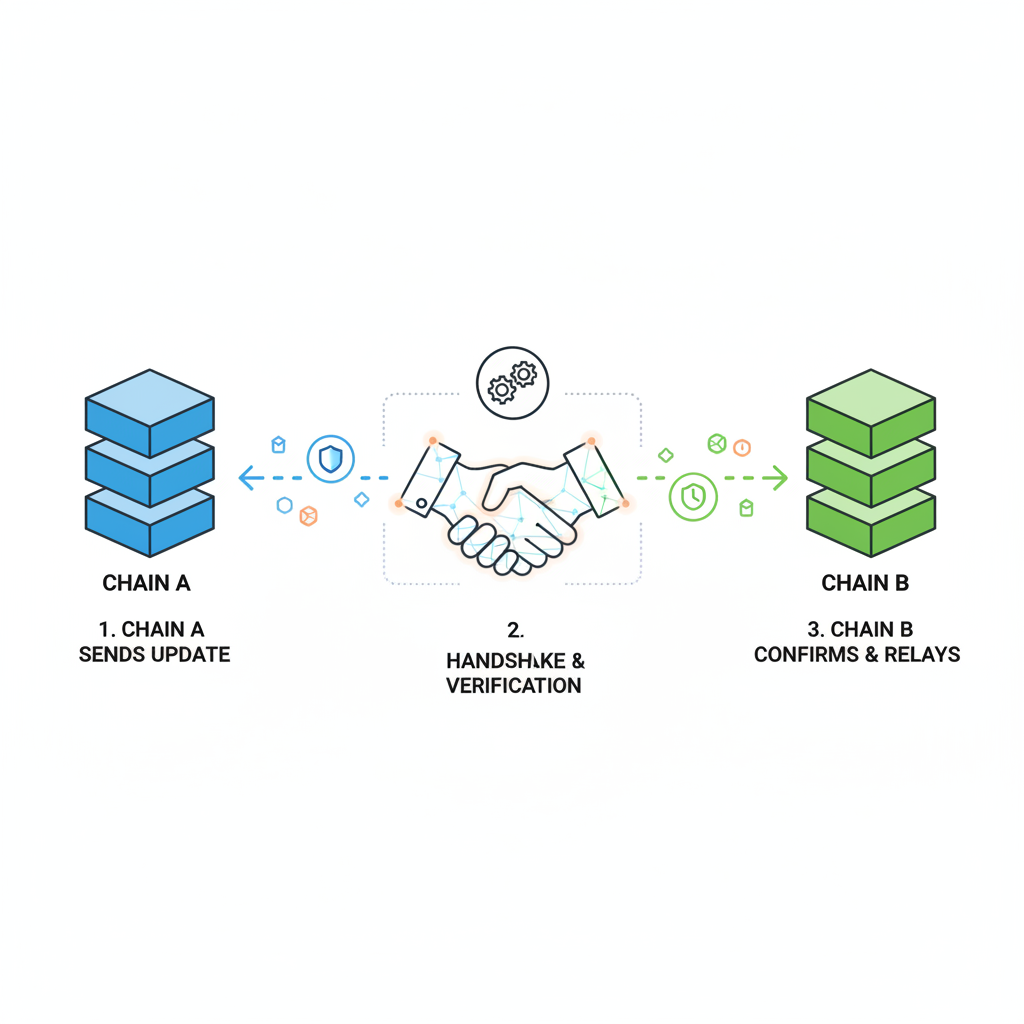
Post-steps, spin up a testnet mirroring your mainnet state. Use Cosmos docs' light client guide to verify custom clients handle the fork. If you're bridging to EVM, double-check channel upgradability from v8.1.0 foundations; IBC v10 builds right on it.
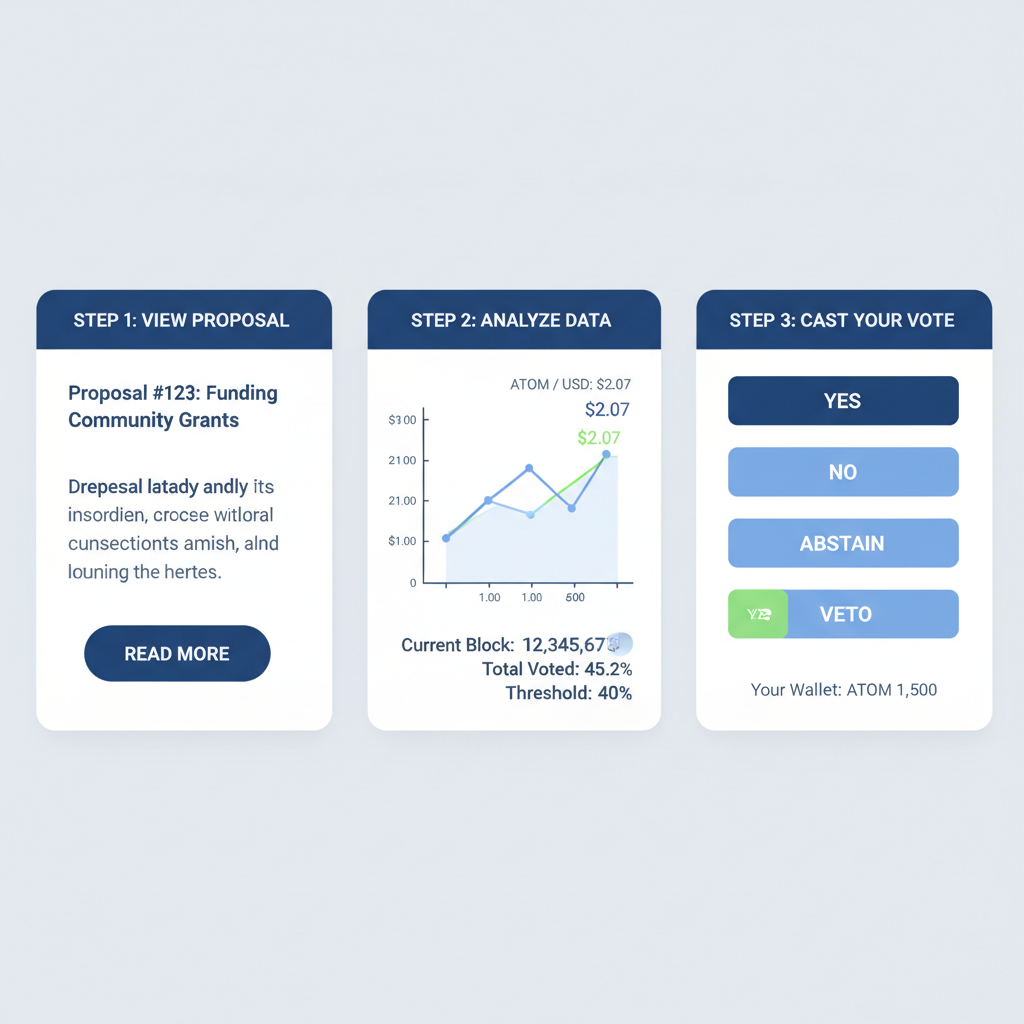
Common pitfalls? Rushing state migrations without x/epochs calibration leads to epoch drift, botching governance votes. Or ignoring counterparty coordination: one chain's upgrade can orphan channels if clients lag. GitHub's how-to flags this; always propose with lead time, like PlayStructs' testnet tease.
- Simulate with gaia v25 binaries for unfork vibes.
- Audit protocolpool for pool overflows in high-volume transfers.
- Track ATOM's $2.07 resilience; upgrades fuel such stability.
Pitfalls, Best Practices, and Validator Edge
I've dissected enough failed forks to spot patterns. Don't skimp on IBC client upgrades; per Cosmos EVM guides, custom light clients need explicit handlers or risk desync. Enable v2 message validation early, or watch transfers stall mid-channel.
Best practice: layer in x/protocolpool post-SDK bump for dynamic protocol swaps, future-proofing against IBC v11 whispers. Validators gain an edge with unordered tx processing; congestion drops, fees stabilize, drawing dApp traffic hungry for reliable oracles.
| Pitfall | Avoidance |
|---|---|
| Fee middleware remnants | Full v10 purge in app wiring |
| Client breakage | Pre-fork proposal coordination |
| Epoch misalignment | Test x/epochs params rigorously |
For project teams, this IBC v10 integration unlocks cross-chain apps that thrive on Cosmos liquidity. As ATOM eyes highs beyond its recent $2.10 peak, upgraded chains stand out in multi-chain scrums. Hedge fund days taught me: position early on interoperability bets.
Chains dragging feet on SDK v0.53 miss the interchain surge. Nail this upgrade, and you're not just compliant; you're competitive, channeling assets and data with precision that older stacks envy. With Cosmos Hub leading at $2.07, the network's primed for your chain to join the fray.




No comments yet. Be the first to share your thoughts!