IBC Hooks Tutorial for Custom Logic in Cosmos Cross-Chain Messages

In the evolving landscape of Cosmos interoperability, IBC Hooks stand out as a pragmatic tool for injecting custom logic into cross-chain token transfers. This IBC middleware bridges the gap between simple ICS-20 fungible token transfers and sophisticated smart contract executions, allowing developers to trigger CosmWasm contracts directly from packet acknowledgements or timeouts. Forget one-size-fits-all solutions; IBC Hooks empower you to tailor cross-chain interactions precisely, whether encrypting payloads on Secret Network or automating DeFi actions across sovereign chains.

Why IBC Hooks Elevate Cosmos SDK Applications
Standard IBC handles reliable messaging, but it lacks built-in hooks for arbitrary computation. Enter IBC Hooks: an middleware layer that intercepts ICS-20 packets and routes them to your CosmWasm keeper. This setup simulates a ‘send tokens and execute contract’ flow in a single transaction, a UX developers crave. Secret Network’s Confidential Computation SDK exemplifies this, enabling Cosmos chains to send encrypted data via token transfers to their mainnet. From Osmosis to Secret, one IBC channel unlocks confidential cross-chain messaging without exposing sensitive payloads.
Conservatively speaking, this isn’t hype. It’s a sustainable evolution addressing real pain points in interchain security and composability. Recent discussions on Cosmos Hub forums propose simulating Hooks with IBC-Callbacks for token factories, underscoring broad demand. Yet, power comes with pitfalls; vulnerabilities like reentrancy in acknowledgement handlers have surfaced, as noted by Asymmetric Research. Prioritize audits and conservative gas limits to mitigate risks.
Unpacking the IBC Hooks Architecture
IBC Hooks wrap the core IBC transfer module, hooking into three key lifecycle stages: onRecvPacket, onAcknowledgementPacket, and onTimeoutPacket. During recv, incoming tokens can invoke contracts before escrow release. Acknowledgements confirm success, triggering post-transfer logic. Timeouts handle failures gracefully, perhaps refunding or notifying. This trinity enables resilient custom logic, far beyond vanilla IBC.
Bootstrapping Your First IBC Hooks Chain
Start with a Cosmos SDK chain using Ignite CLI or Starport for rapid prototyping. Ensure CosmWasm integration via wasmd module. Key: register IBC Hooks as middleware atop ics20. Channels must be ordered; Hooks precede transfer logic. Secret Network requires a dedicated IBC Transfer channel from your consumer chain, proving interoperability in practice.
Initialize Cosmos SDK Chain with IBC Hooks
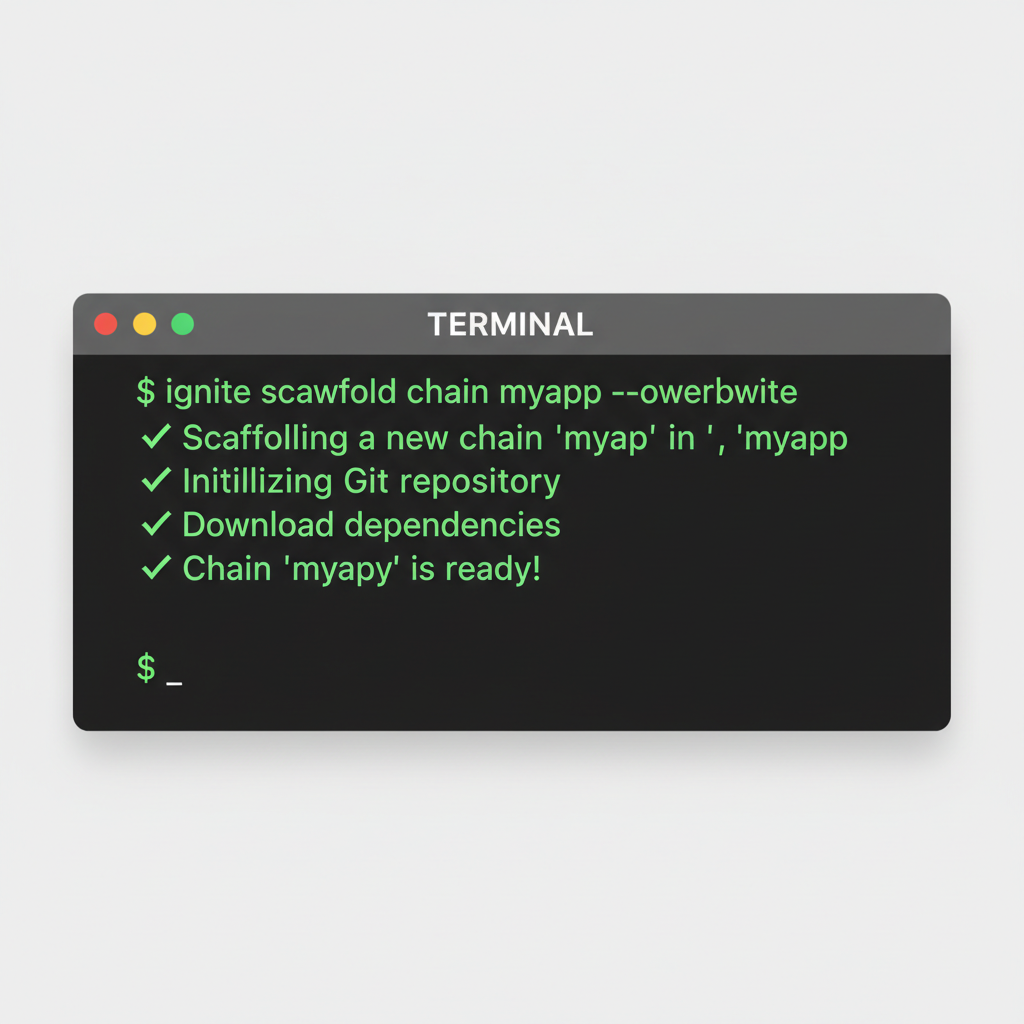
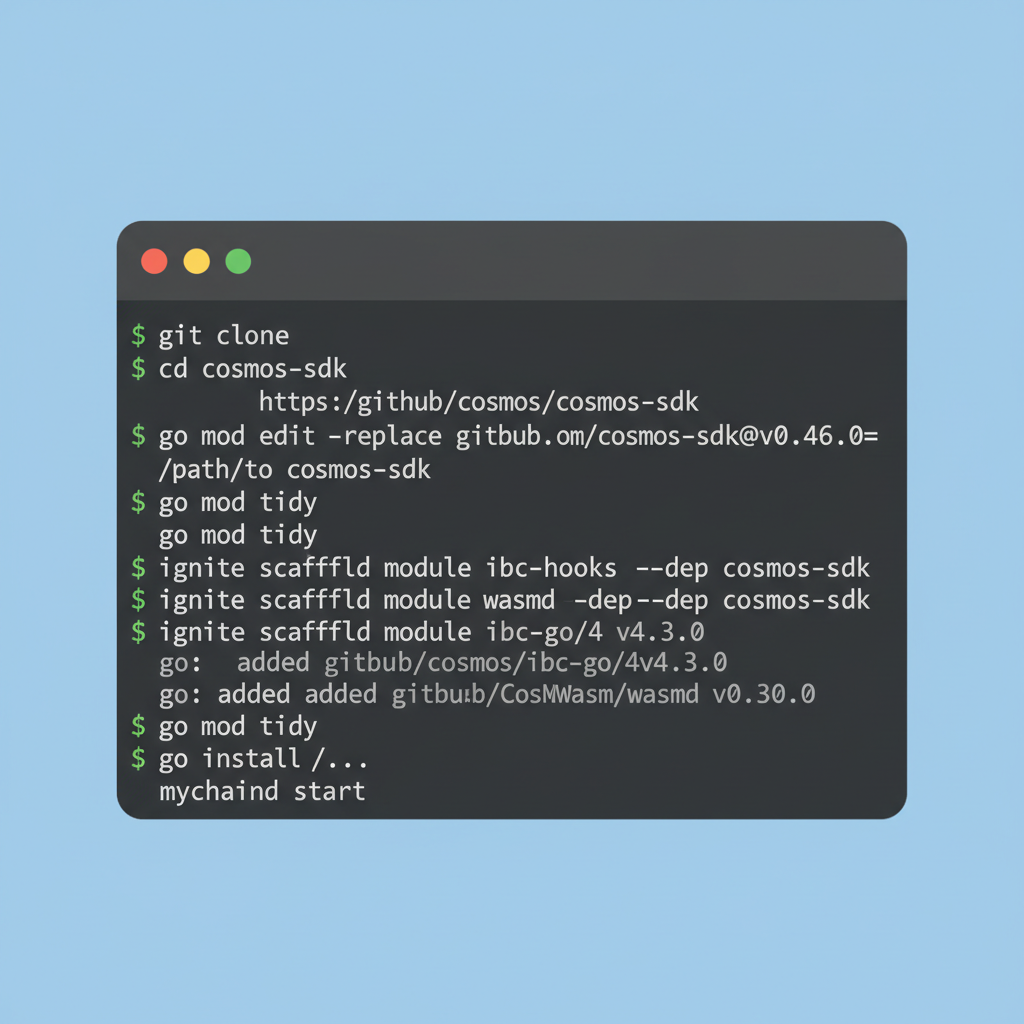
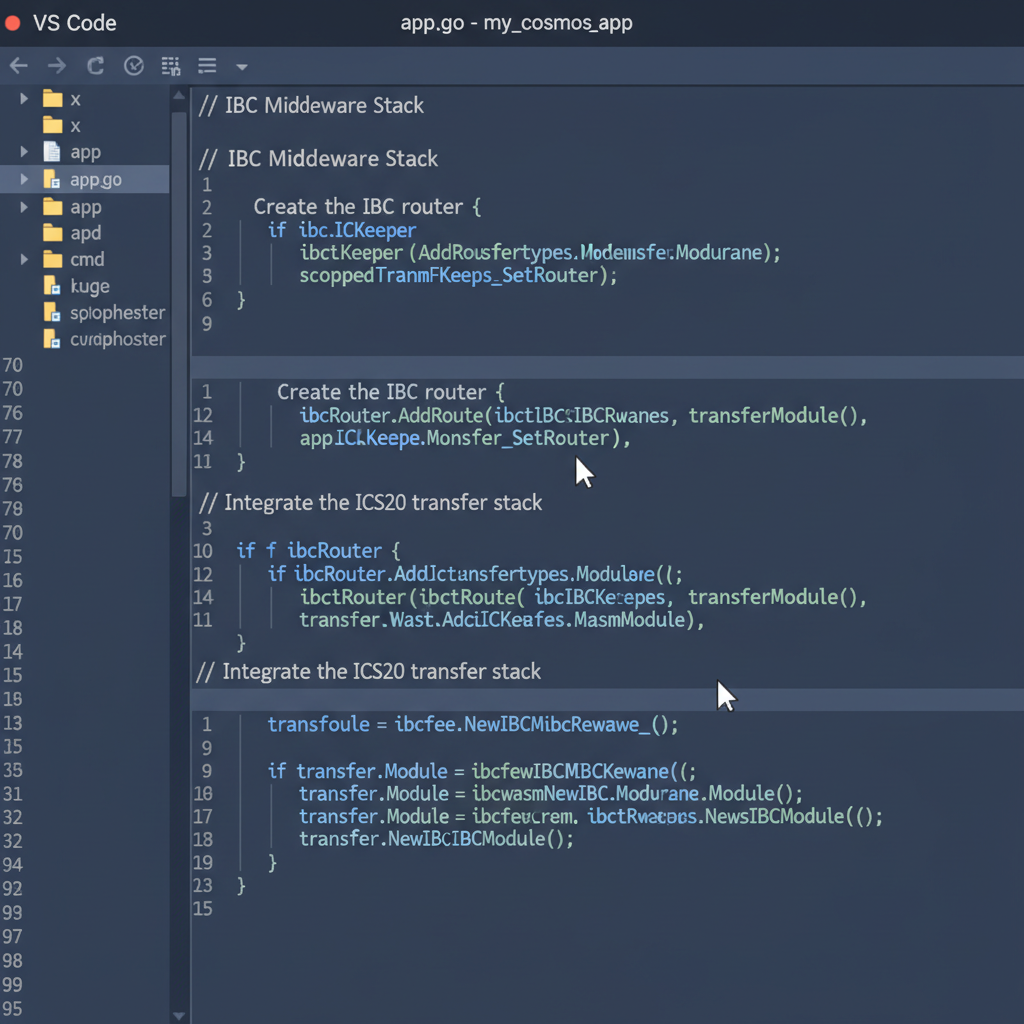
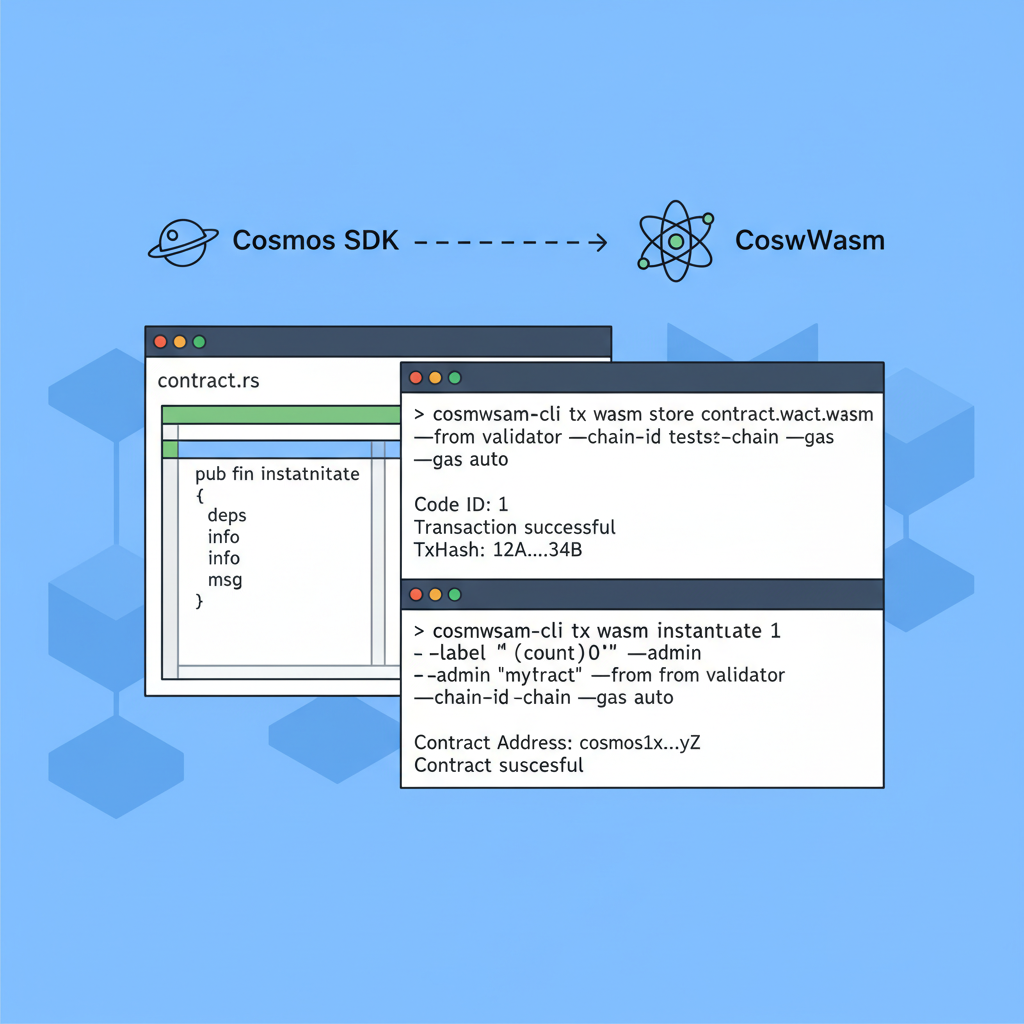
Once wired, relayer setup via Hermes or Ignite’s tools connects chains. Send a test ICS-20 packet with Hook payload: encode contract address, msg, and funds. Monitor logs for execution traces. Pro tip: simulate timeouts locally to harden your handlers; real-world latency varies wildly across zones.
This foundation positions you for advanced use cases, like cross-chain oracles or automated liquidity provisioning. With IBC Hooks, Cosmos SDK chains transcend siloed apps, fostering true interchain innovation without compromising sovereignty.