IBC Relayer Setup Guide: Connecting Cosmos Hub to Osmosis for Seamless Asset Transfers

In the Cosmos ecosystem, seamless asset transfers between sovereign blockchains like Cosmos Hub and Osmosis rely on properly configured IBC relayers. With ATOM trading at $1.96, down 1.51% over the past 24 hours from a high of $2.01, the incentive to enable efficient cross-chain movements grows. However, as a risk management expert, I caution that misconfigurations can lead to packet losses or exposure to vulnerabilities like the ibc-go reentrancy issue highlighted in recent research. This guide prioritizes conservative setups to minimize downtime and secure interoperability.

Grasping the Mechanics of IBC Relaying Between Cosmos Hub and Osmosis
IBC relayers act as bridges, packaging and forwarding data packets across chains. For Cosmos Hub (channel-141) and Osmosis (channel-0), they ensure tokens like ATOM move reliably without centralized intermediaries. Relaying isn’t passive; it demands constant vigilance against slashing risks or desynchronization. In production, I’ve seen underfunded fee accounts halt transfers mid-flight, underscoring the need for ample native tokens on both sides.
Relayers fit into IBC by monitoring events on source chains, submitting proofs to destinations, and confirming acknowledgments. This loop, if unbroken, powers DeFi portfolios spanning hubs. Yet, with Osmosis’ liquidity pools drawing $1.96 ATOM flows, any relayer glitch amplifies volatility exposure. Start small, test locally, and scale cautiously.
Key Prerequisites and Risks for IBC Relayer Setup
| Item | Type | Description |
|---|---|---|
| ✅ Full Nodes | Prerequisite | Running full nodes for Cosmos Hub and Osmosis is crucial for the relayer to query chain states, submit packets, and ensure reliable operation. |
| 💰 Funded Keys | Prerequisite | Create and fund keys/wallets with native tokens (ATOM for Cosmos Hub, OSMO for Osmosis) to cover relaying transaction fees. |
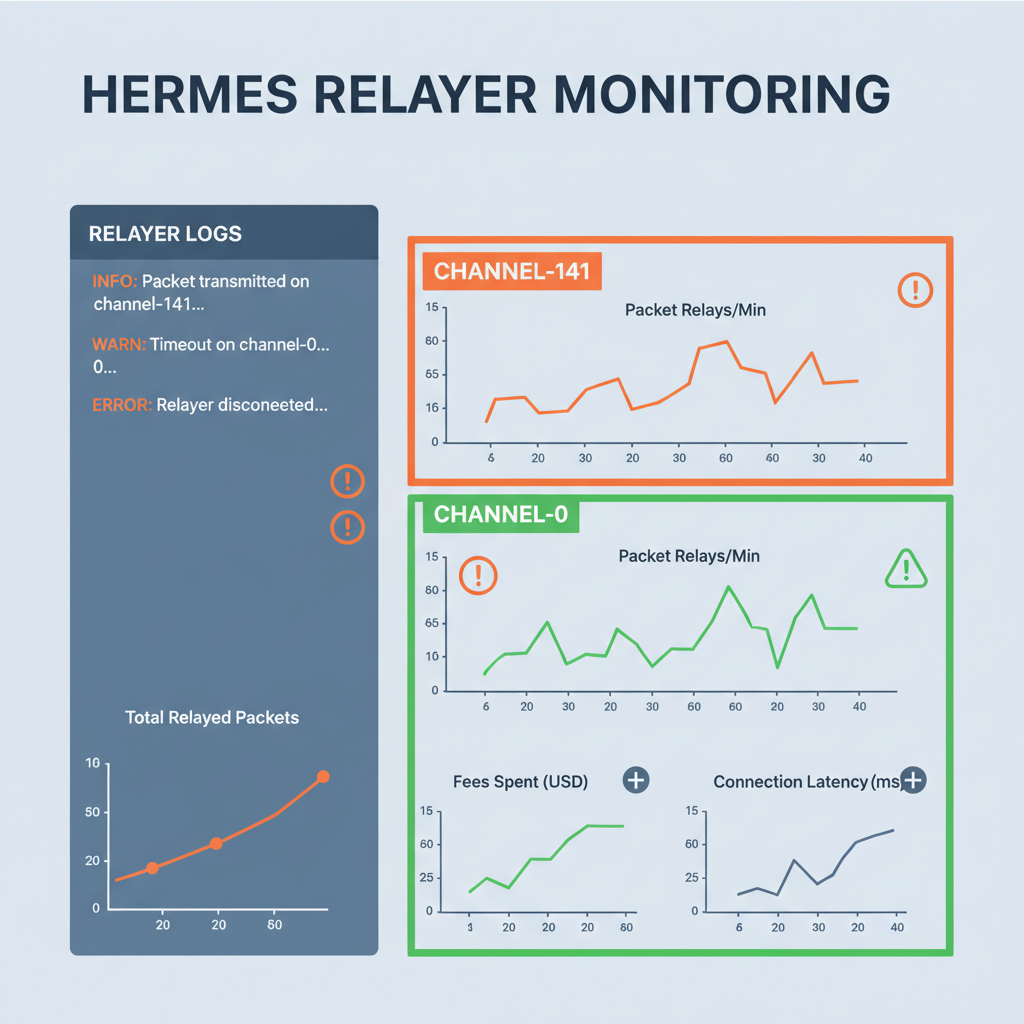
| 🔍 Monitoring Tools | Prerequisite | Implement monitoring for relayer logs, performance, chain sync status, and packet relays to detect and resolve issues promptly. |
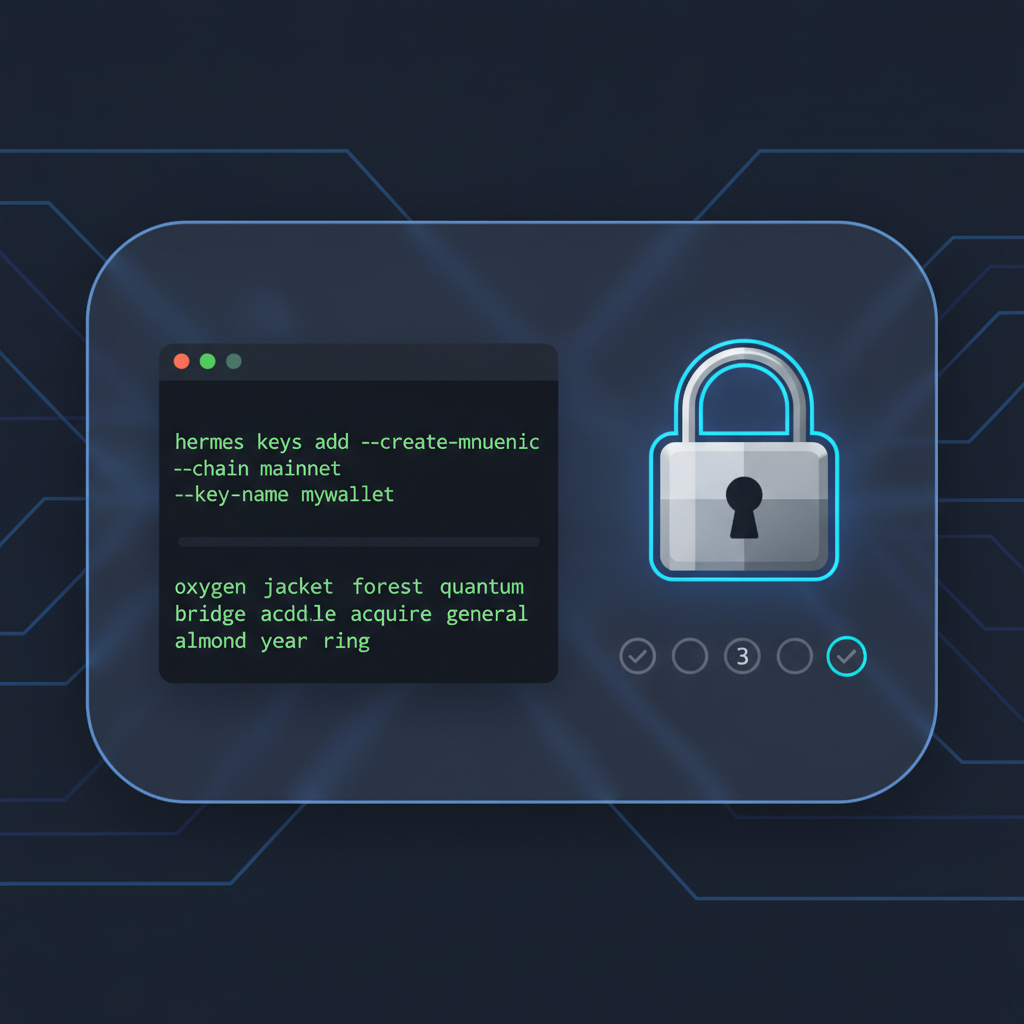
| 🔑 Key Compromise | Risk | Mnemonic files or private keys exposed can lead to fund theft; use secure storage and hardware wallets. |
| ⚙️ Misconfiguration | Risk | Wrong chain IDs, channels (e.g., Osmosis channel-0, Cosmos Hub channel-141), or paths cause failed relays. |
| 📉 Insufficient Funds | Risk | Relayer halts if gas token balances are too low; requires ongoing balance checks and top-ups. |
| 🌐 Node Downtime | Risk | Full node outages or desynchronization prevent relaying; ensure high availability and backups. |
| 🛡️ IBC Vulnerabilities | Risk | Stay updated on protocol issues like reentrancy exploits in ibc-go to avoid losses. |
Essential Prerequisites: Full Nodes and Key Management
Before firing up a relayer, robust full nodes for both chains are non-negotiable. Cosmos Hub demands syncing the latest state via trusted RPCs, while Osmosis requires peering with archival nodes for historical proofs. Skimp here, and your relayer queries stale data, inviting failed relays.
Fund keys generously: ATOM at $1.96 means modest stakes cover fees, but Osmosis’ OSMO needs similar padding. Use hardware wallets for production keys to mitigate private key risks. I’ve advised teams to allocate 10x expected fees upfront, preventing the common ‘out of gas’ pitfalls during peak traffic.
Selecting Your Relayer: Weighing Go Relayer Against Hermes
Two stalwarts dominate: Go Relayer (rly) for its lightweight footprint and Hermes for superior Rust-based reliability. Rly suits quick deploys, ideal for Cosmos Hub-Osmosis paths with pre-existing channels. Hermes excels in logging, crucial for auditing during ATOM’s $1.90-$2.01 swings when transfer volumes spike.
My preference leans Hermes for risk-averse operators; its validation commands catch config errors early. Both handle packet relays for token transfers, but neither forgives poor gas tuning. Production relayers should run on dedicated VPS with failover scripts, as single-node failures cascade across interchain apps.
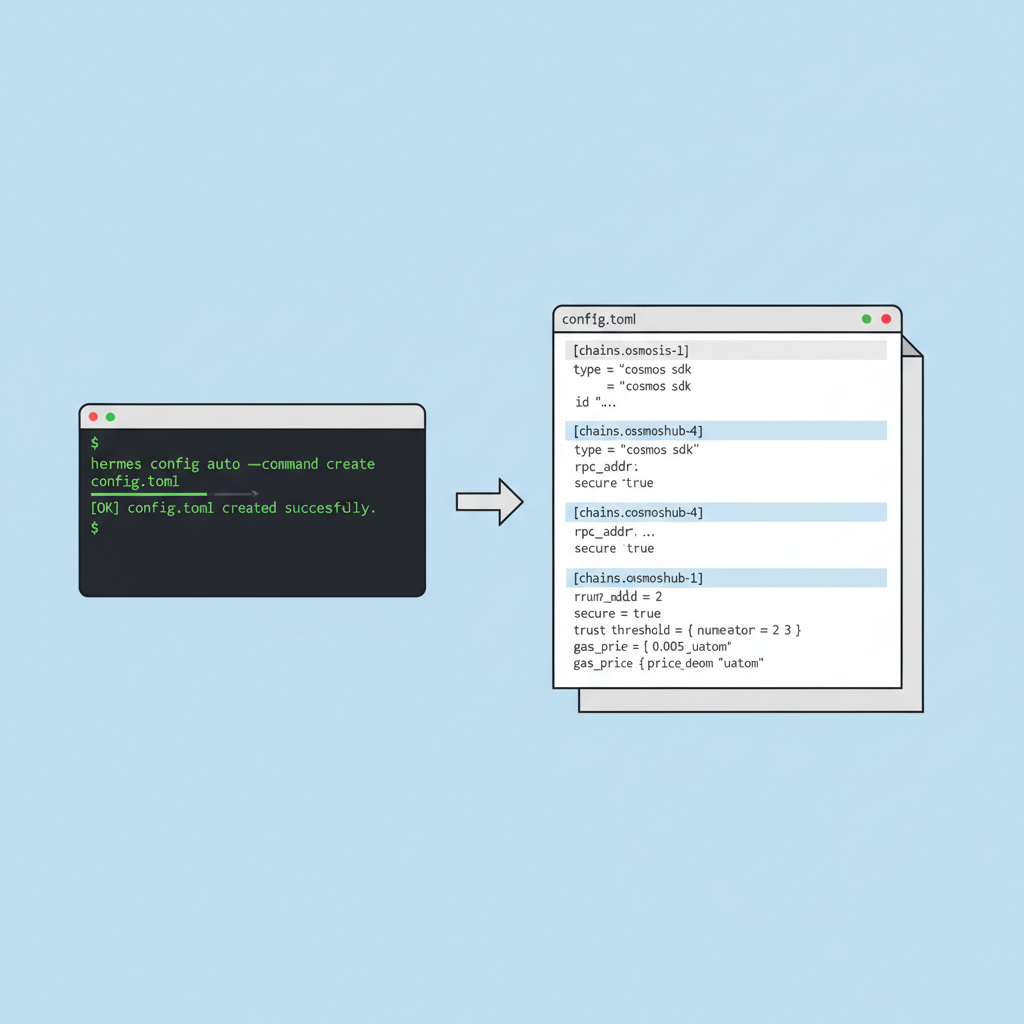
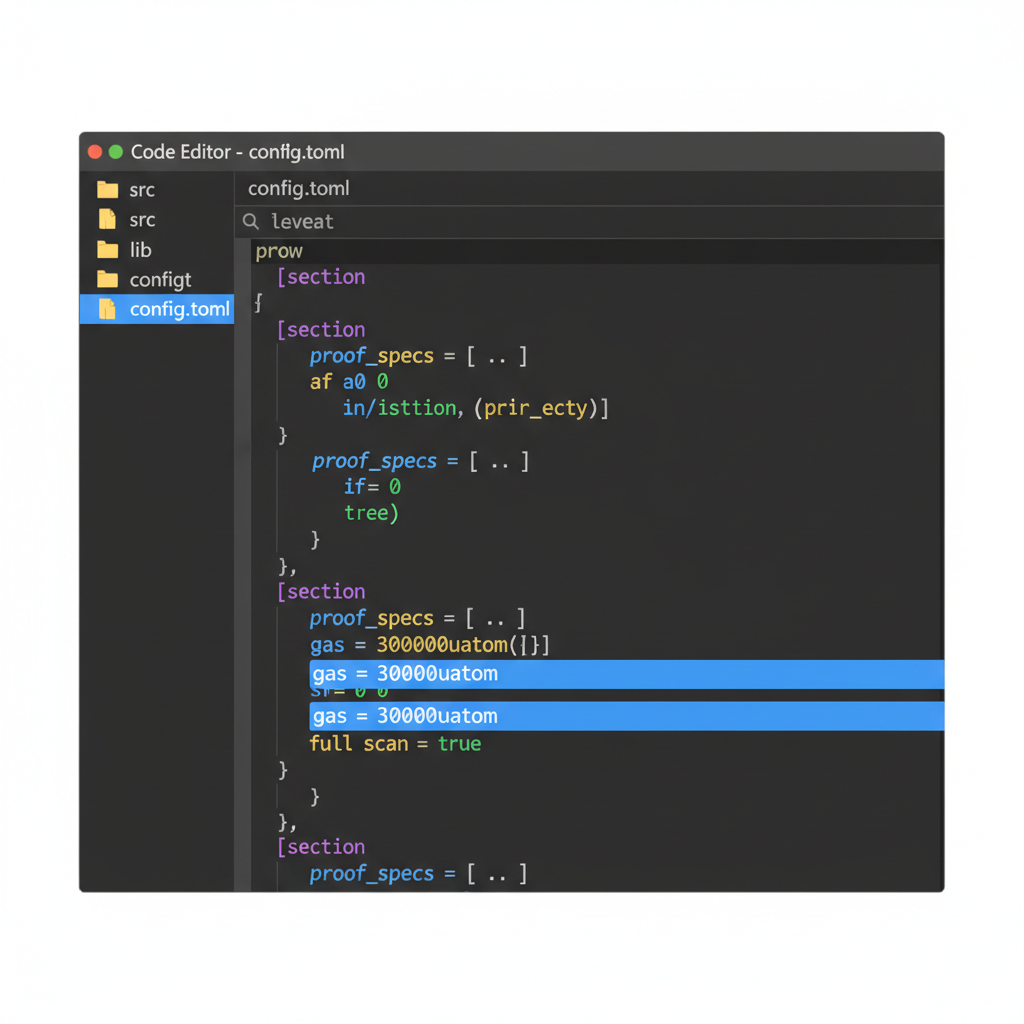
Configuring these relayers demands precision, especially with ATOM hovering at $1.96 amid a 24-hour dip from $2.01. Overlook a single parameter, and packets queue indefinitely, stranding assets in limbo. Let’s dissect the setups methodically, prioritizing Hermes for its edge in error detection.
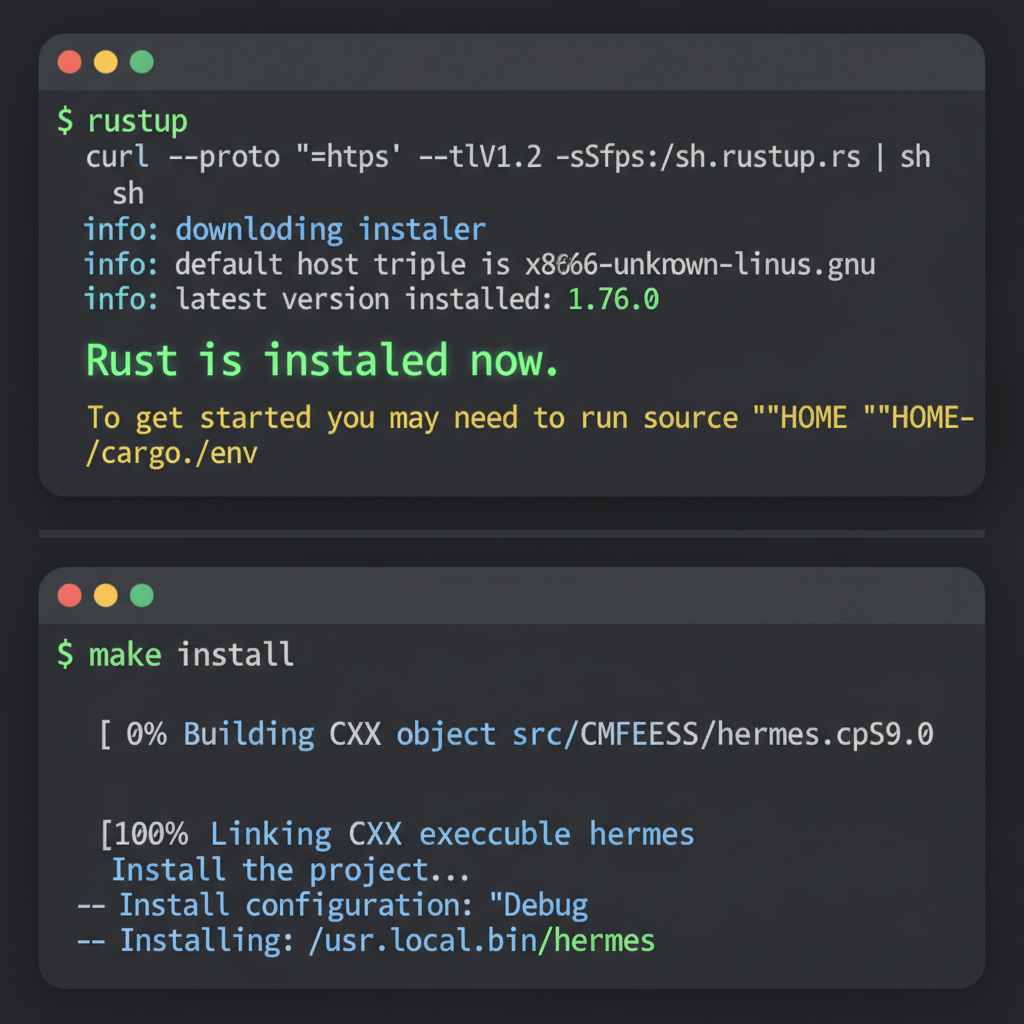
Hermes IBC Relayer Setup: Secure Cosmos Hub to Osmosis Bridge
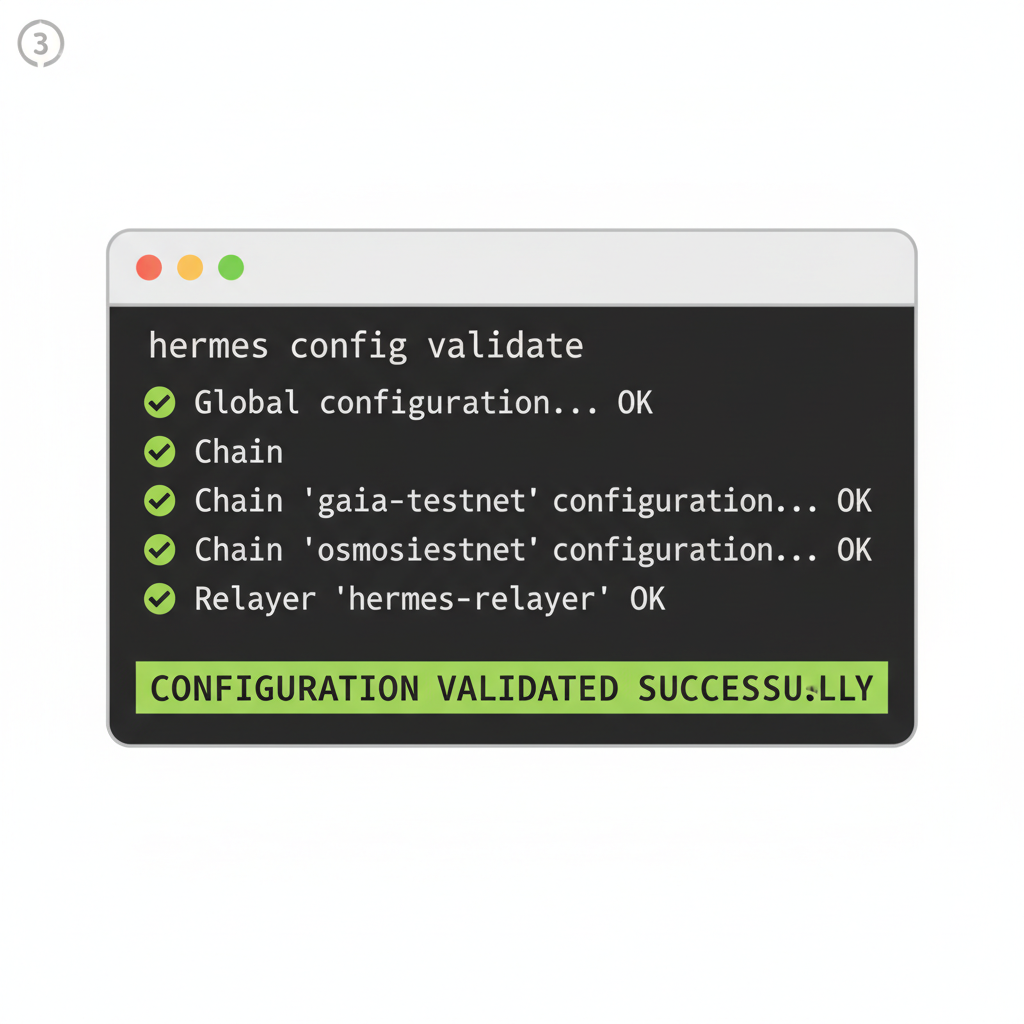
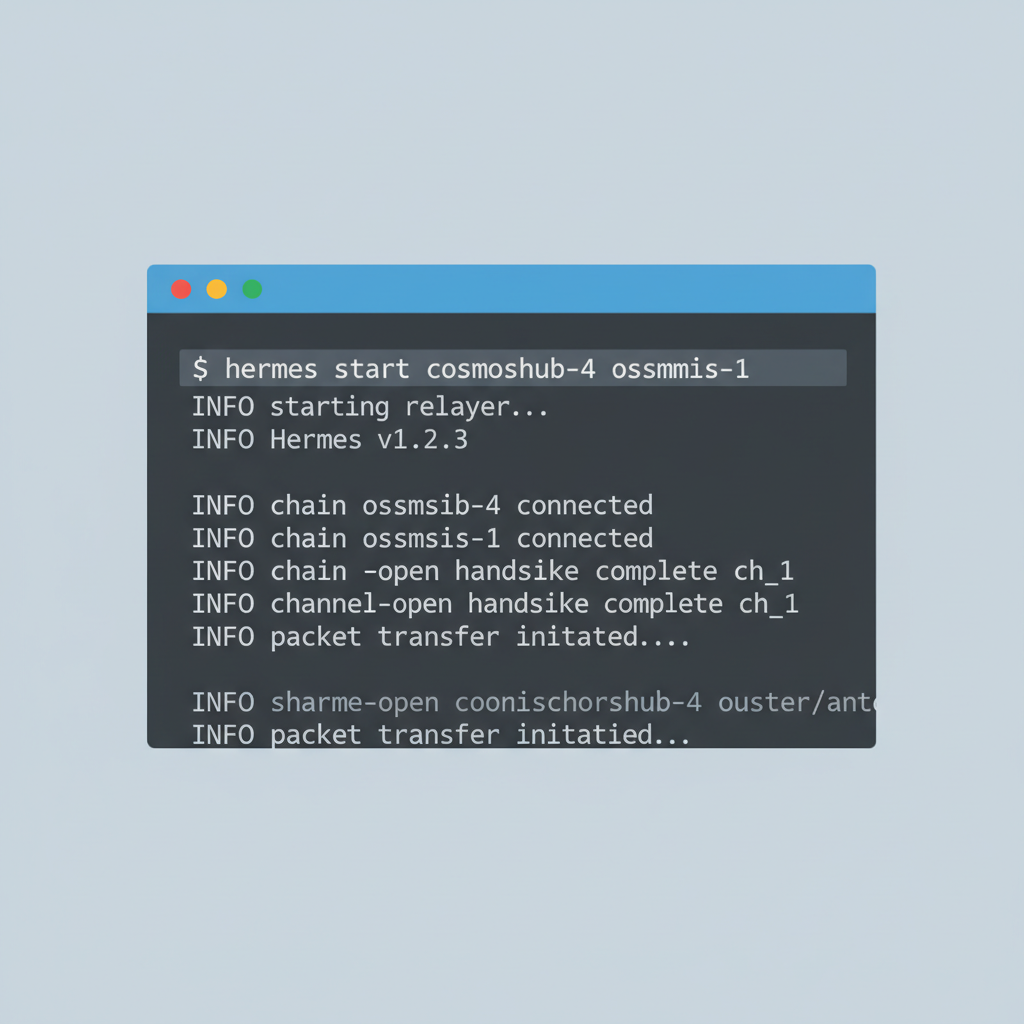
Go Relayer mirrors this but slims down: post-chain addition, import keys via Ledger or mnemonic, then rly paths create cosmoshub-osmosis to forge the link. Its YAML configs favor simplicity, yet lack Hermes’ granular proofs. Fund with 5-10 OSMO alongside ATOM at $1.96; skimping invites halts when Osmosis fees surge.
Security layers matter: firewall RPCs, rotate keys quarterly, and audit configs against Informal Systems’ benchmarks. For DeFi portfolios, this setup unlocks ATOM-OSMO swaps without bridges’ custody risks, but only if fees stay funded amid 24-hour lows like $1.90.
Scaling to production, orchestrate via Docker Compose with health checks, ensuring failover under VPS strain. Test transfers locally first: mint testnet ATOM, relay to Osmosis, verify balances. This conservative cadence has preserved client funds through market turbulence.
Mastering Cosmos Hub-Osmosis relaying fortifies interchain strategies, channeling $1.96 ATOM efficiently while dodging interoperability pitfalls. Risk managed indeed maximizes those cross-chain rewards.