
What Cosmos IBC Is in 2026
Cosmos IBC (Inter-Blockchain Communication) is the protocol that allows separate blockchains to send tokens and data to one another directly. It works like a universal shipping container for digital assets: instead of relying on centralized exchanges or complex wrapping mechanisms, chains that speak IBC can share any type of data encoded in bytes. This enables the industry’s most feature-rich cross-chain interactions, turning isolated networks into a cohesive interchain.
In 2026, this capability has moved beyond simple token transfers to reshape DeFi and real-world asset (RWA) markets. Developers are using IBC to build sovereign blockchains that still connect to a larger ecosystem. The result is a modular architecture where security, execution, and data availability can be specialized per chain, yet they all communicate seamlessly through IBC.
Why It Matters Now
The shift toward modularity means that no single blockchain needs to do everything. IBC allows a chain to focus on its strengths—whether that’s high throughput for gaming or strict compliance for RWAs—while trusting other chains to handle their specific functions. This reduces congestion and lowers costs for users who previously had to navigate multiple layers of bridging.
The Role of IBC Eureka
A key development in 2026 is IBC Eureka, the canonical implementation of IBC v2. It enables seamless interoperability between the Cosmos ecosystem and Ethereum, two of the largest blockchain networks. This connection allows assets and data to flow more freely between these ecosystems, expanding the potential for cross-chain DeFi applications and institutional-grade RWAs.
Practical Implications for Users
For users, this means fewer steps and lower fees when moving assets. Instead of using third-party bridges that carry security risks, you can move assets directly between IBC-enabled chains. This direct communication is more secure and efficient, making cross-chain DeFi more accessible and reliable.
Looking Ahead
As more chains adopt IBC, the interchain ecosystem will continue to grow. The focus is on making these connections more robust and scalable, ensuring that the benefits of modularity are accessible to everyone. This evolution is key to unlocking the full potential of decentralized finance and real-world assets.
Cosmos ibc 2026 choices that change the plan
Use this section to make the Cosmos IBC decision easier to compare in real life, not just on paper. Start with the reader's actual constraint, then separate must-have requirements from details that are merely nice to have. A practical choice should survive normal use, maintenance, timing, and budget. If a recommendation only works in an ideal situation, call that out plainly and give the reader a fallback path.
| Factor | What to check | Why it matters |
|---|---|---|
| Fit | Match the option to the primary use case. | A good deal still fails if it does not fit the job. |
| Condition | Verify age, wear, and service history. | Hidden condition issues erase upfront savings. |
| Cost | Compare purchase price with likely upkeep. | The cheapest option is not always the lowest-cost option. |
How to choose the right Cosmos IBC integration path
Cosmos IBC v2 and the upcoming Eureka upgrade are shifting the ecosystem from simple token transfers to complex, cross-chain smart contracts. For developers and projects in 2026, choosing the right interoperability layer requires balancing security, latency, and complexity. The following framework helps you decide whether to stay within the Cosmos Hub ecosystem or bridge to external networks like Ethereum.
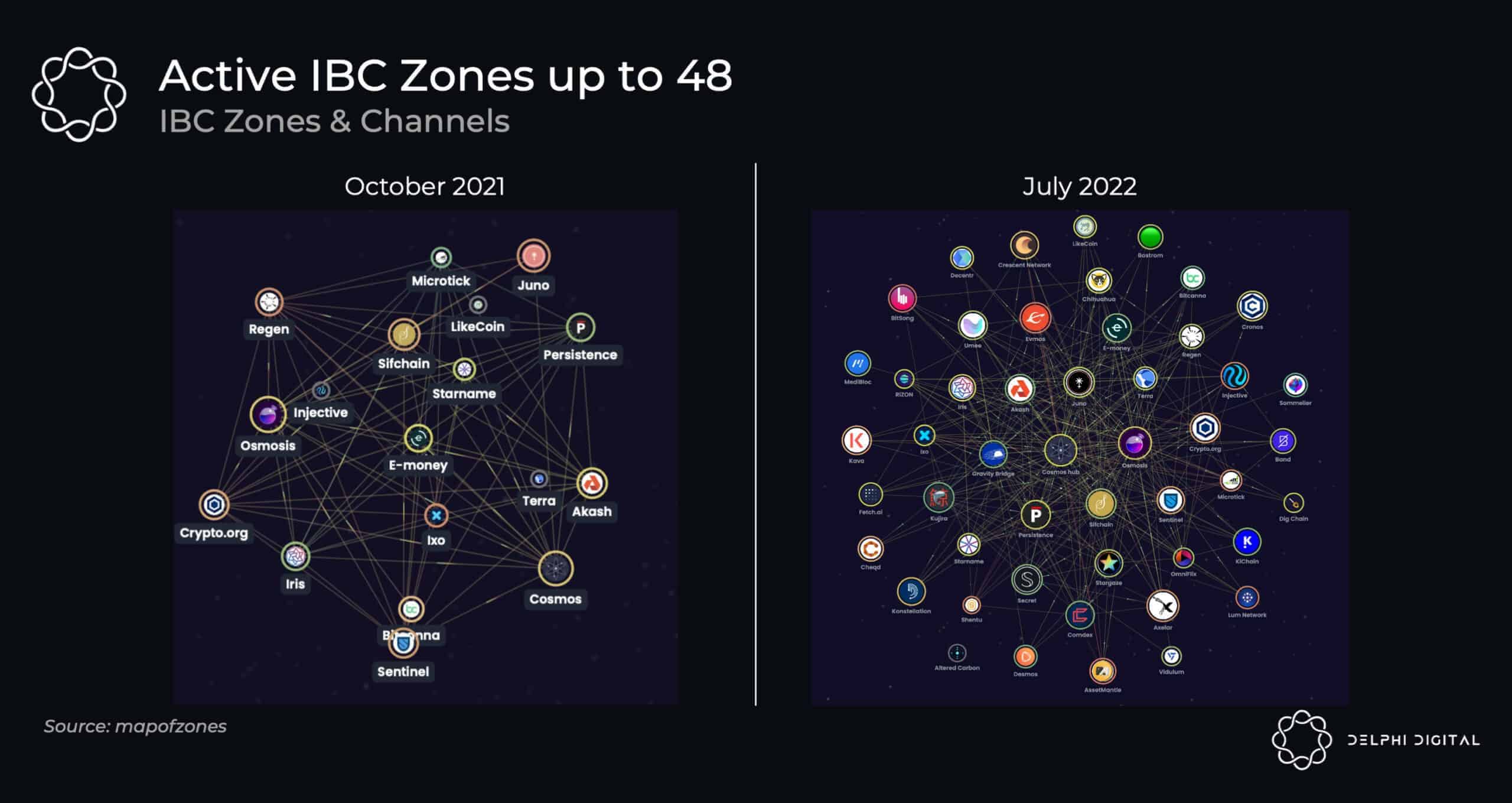
If your project is built on a Cosmos SDK chain, native IBC is the default choice. It offers the lowest latency and highest security because it relies on light clients rather than external bridges. Use this path if you need fast, trust-minimized communication with other Hub-connected chains like Osmosis or Injective. The setup requires implementing the IBC middleware but avoids the overhead of multi-chain wrappers.
If your user base or liquidity primarily lives on Ethereum or Solana, native IBC is insufficient. You will need a cross-ecosystem solution. In 2026, IBC Eureka is the canonical implementation for connecting Cosmos to Ethereum. This path allows you to access Ethereum's deep liquidity while maintaining Cosmos' modular security. Choose this if your primary goal is interoperability with non-Cosmos smart contract platforms.
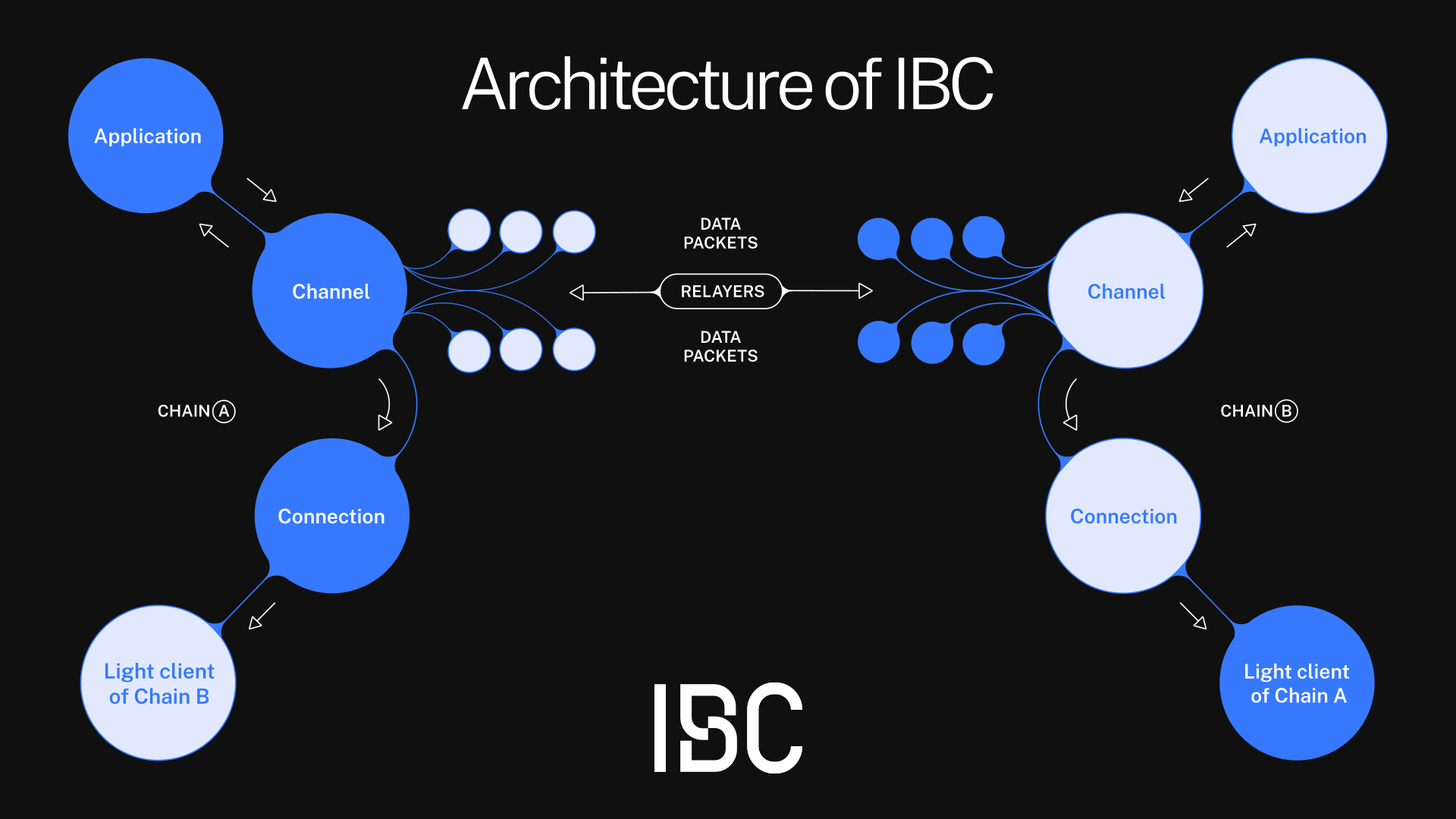
For simple token transfers, the standard IBC transfer channel is sufficient. However, if you need to execute smart contracts across chains, you must implement the IBC contract interface or use a relayer service that supports IBC-ERC20 wrappers. Be aware that smart contract interoperability introduces additional gas complexity and potential attack surfaces. Only use advanced messaging if your protocol requires state changes on the destination chain.
IBC does not move packets automatically; it relies on independent relayers to observe state changes and submit proofs. You must decide whether to run your own relayer nodes or use a third-party service like Chainlight or Polkassembly. Running your own relayer gives you full control over fees and uptime but requires significant operational overhead. For most new projects, a managed relayer service is the more practical starting point.
Common Mistakes and Weak Options in Cosmos IBC
Cosmos IBC is powerful, but many projects treat it as a plug-and-play solution rather than a protocol requiring careful configuration. When implementing IBC, teams often overlook critical security and technical trade-offs. Here are the specific areas where claims usually fall short or implementation fails.
Trust Assumptions and Light Clients
Many projects claim "trustless" interoperability, but this only holds if both chains use light clients to verify each other's state. If a chain relies on a centralized relayer or a multi-sig committee to validate cross-chain messages, it reintroduces the very centralization IBC aims to remove. Always check if the implementation uses standard Tendermint light client verification or a custom, less audited mechanism.
Relayer Performance Bottlenecks
IBC requires relayers to listen for events on both chains and submit proofs. Many tutorials gloss over the infrastructure required to keep these relayers running 24/7. A single missed packet can stall assets for hours. Weak implementations often use single-instance relayers without redundancy. For production DeFi, you need multiple, geographically distributed relayers with failover capabilities to ensure message delivery.
Token Transfers vs. Native Assets
A common mistake is using wrapped tokens for IBC transfers instead of native assets. While wrapped tokens are easier to integrate, they introduce counterparty risk. IBC’s strength is moving native assets directly between chains. If a project forces you to wrap your token before using IBC, it defeats the protocol’s purpose of seamless, native interoperability. Look for channels that support native IBC transfers for true efficiency.
IBC Eureka Complexity
IBC Eureka (IBC v2) promises enhanced features like packet timeout handling and improved security. However, it adds significant complexity to the stack. Many projects advertise Eureka readiness without fully understanding the migration path. Ensure the team has a clear plan for upgrading from IBC v1, as backward compatibility isn't always seamless. Don't assume Eureka is a drop-in replacement without thorough testing.
No comments yet. Be the first to share your thoughts!