
Cosmos ibc 2026 limits to account for
Institutional DeFi has spent years trying to patch liquidity fragmentation. The Inter-Blockchain Communication Protocol (IBC) offers a different path: direct, sovereign connectivity between independent blockchains. By 2026, the protocol’s maturity shifts the focus from basic token transfers to complex, secure cross-chain data execution. This section outlines the specific constraints and operational realities of using IBC in an institutional context.
Sovereign Security vs. Shared Security
Cosmos chains operate as sovereign entities, meaning each chain secures its own state. Unlike shared-security models where a central validator set protects multiple networks, IBC chains rely on light client verification. This design ensures no single point of failure but requires institutions to validate the security assumptions of every counterparty chain. If a connected chain suffers a 51% attack, IBC does not automatically protect assets on the sending chain. Due diligence must extend to the economic security and validator distribution of each linked network.
Latency and Finality Gaps
Cross-chain transfers are not instantaneous. IBC transfers depend on the block finality of both the source and destination chains. If Chain A produces blocks every 6 seconds and Chain B every 30 seconds, the transfer must wait for the slower chain’s confirmation to ensure atomicity. For high-frequency trading or institutional arbitrage, these latency gaps introduce execution risk. Liquidity managers must account for these delays when modeling slippage and capital efficiency, treating IBC transfers as scheduled settlements rather than real-time swaps.
Standardization and Upgrade Friction
While IBC v1 established the core handshake protocol, ongoing upgrades introduce complexity. New versions may change packet acknowledgment rules or introduce new channel types. Institutions cannot simply update a smart contract; they must coordinate upgrades across multiple independent validators and governance bodies. This friction slows the deployment of new liquidity pools or cross-chain applications. Successful integration requires robust monitoring tools that can detect protocol mismatches or stalled packets before they result in lost funds.
Counterparty Risk in Liquid Staking
Many Cosmos chains use liquid staking derivatives to boost security. When IBC transfers involve these derivatives, the underlying risk shifts to the staking provider. If the liquid staking protocol fails or is exploited, the derivative token may become worthless, breaking the trust assumption of the IBC transfer. Institutions must verify the audit status and economic backing of any liquid staking token used in cross-chain liquidity routes, treating them as critical infrastructure components rather than simple assets.
Cosmos ibc 2026 choices that change the plan
Use this section to make the Cross-Chain Liquidity decision easier to compare in real life, not just on paper. Start with the reader's actual constraint, then separate must-have requirements from details that are merely nice to have. A practical choice should survive normal use, maintenance, timing, and budget. If a recommendation only works in an ideal situation, call that out plainly and give the reader a fallback path.
| Factor | What to check | Why it matters |
|---|---|---|
| Fit | Match the option to the primary use case. | A good deal still fails if it does not fit the job. |
| Condition | Verify age, wear, and service history. | Hidden condition issues erase upfront savings. |
| Cost | Compare purchase price with likely upkeep. | The cheapest option is not always the lowest-cost option. |
How to Choose the Next Step for Cross-Chain Liquidity
Institutional DeFi requires more than just connectivity; it demands a clear path for capital deployment. With IBC v1 establishing the handshake protocols and newer versions expanding capabilities, the ecosystem has moved past the proof-of-concept phase. The question is no longer whether cross-chain liquidity works, but which chain architecture best suits your specific liquidity needs.
To navigate this fragmented landscape, evaluate your options against these four distinct pathways. Each offers different trade-offs between speed, security, and capital efficiency.
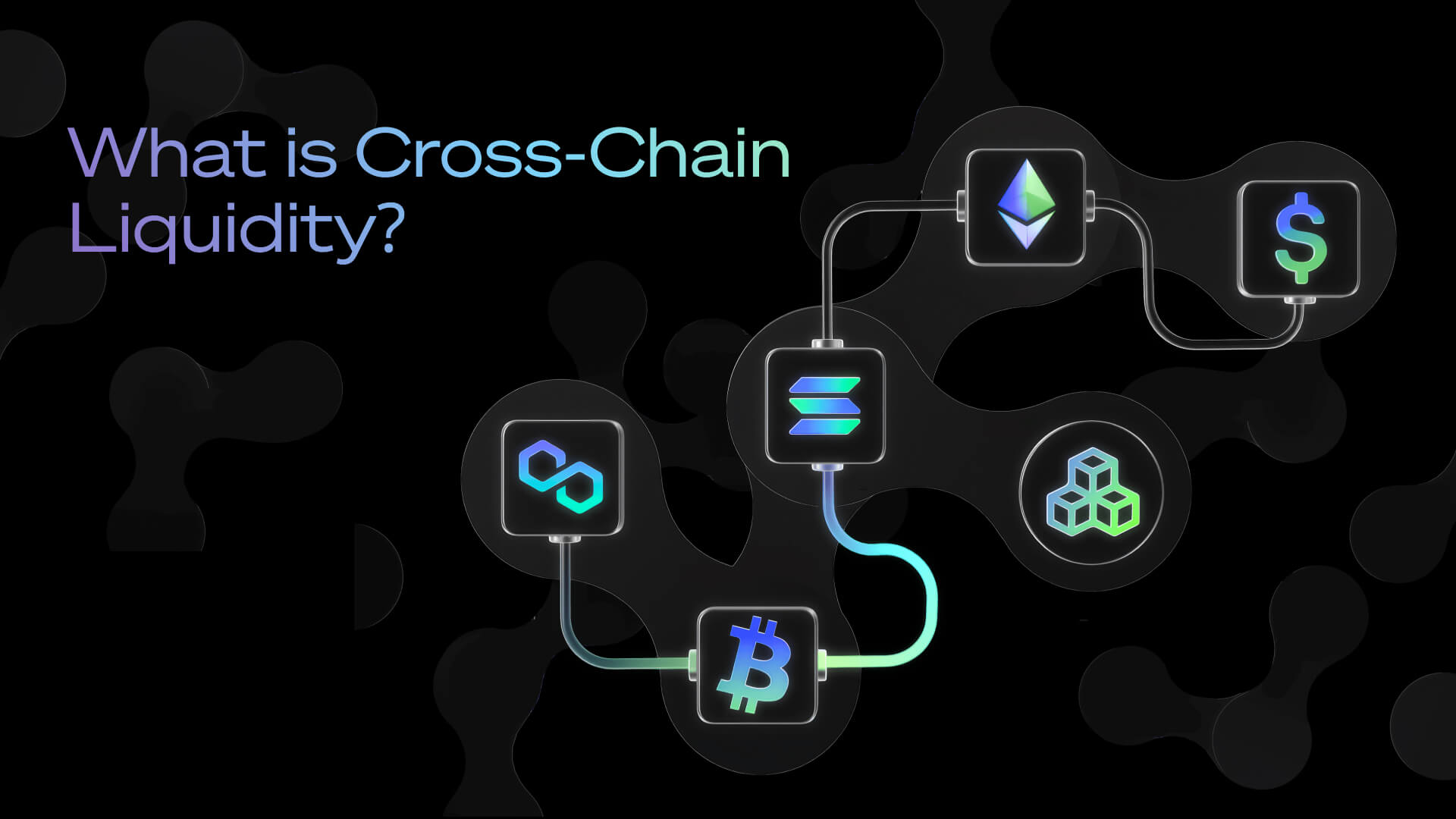
The Cosmos Hub remains the primary rendezvous point for IBC traffic. For institutions seeking the deepest pool of native IBC liquidity, routing through the Hub provides access to a vast array of interconnected zones. This approach minimizes fragmentation but introduces a single point of potential congestion. Use this path when your strategy prioritizes maximum asset variety over minimal latency.
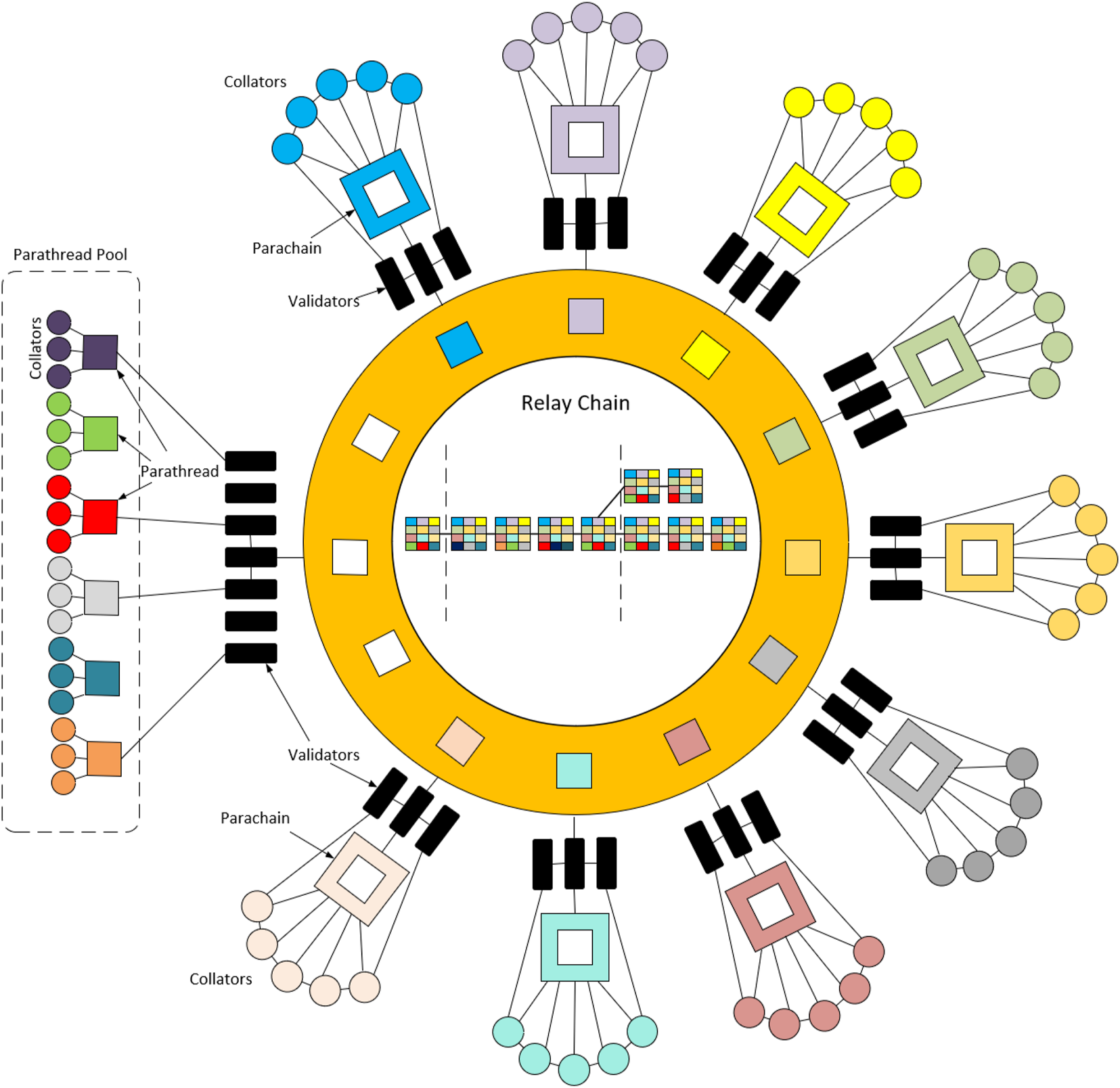
For high-frequency trading or large-scale settlements, direct peer-to-peer IBC channels bypass the Hub entirely. Projects like Osmosis and Noble demonstrate how sovereign chains can maintain independent governance while still participating in the broader network. This method reduces hop-count fees and latency, offering tighter control over execution. Choose this when speed and cost-efficiency are the primary drivers.
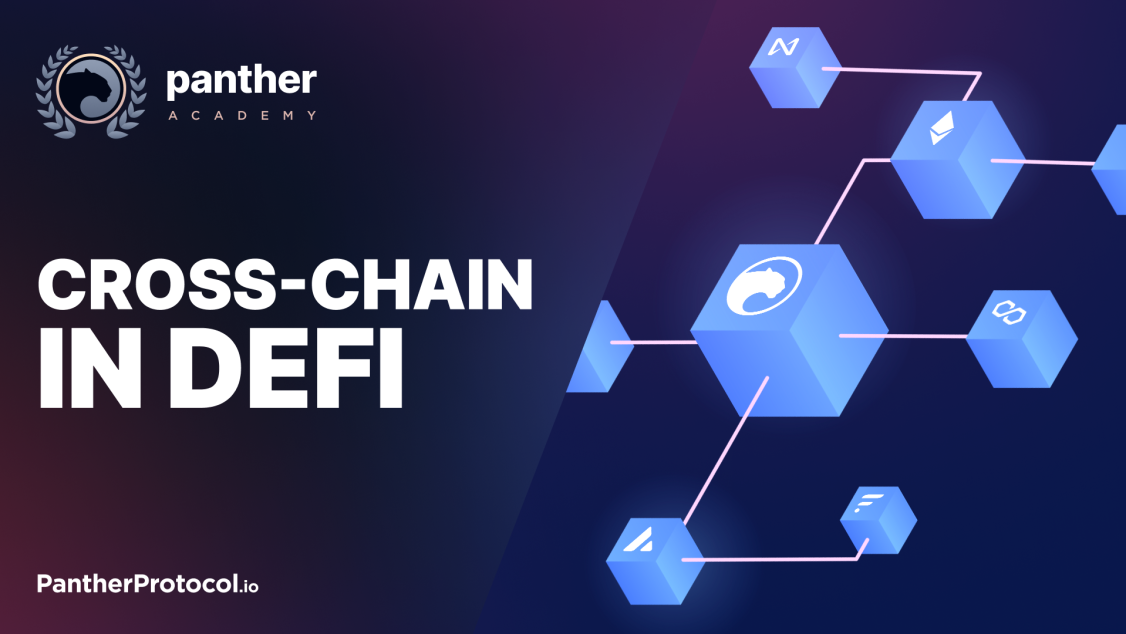
Newer chains can lease security from established validators via Interchain Security (ICS). This allows smaller projects to inherit the robustness of larger networks without building their own validator sets from scratch. For institutional participants, this reduces counterparty risk associated with nascent chains. Select this pathway when entering emerging zones that lack independent validator density.
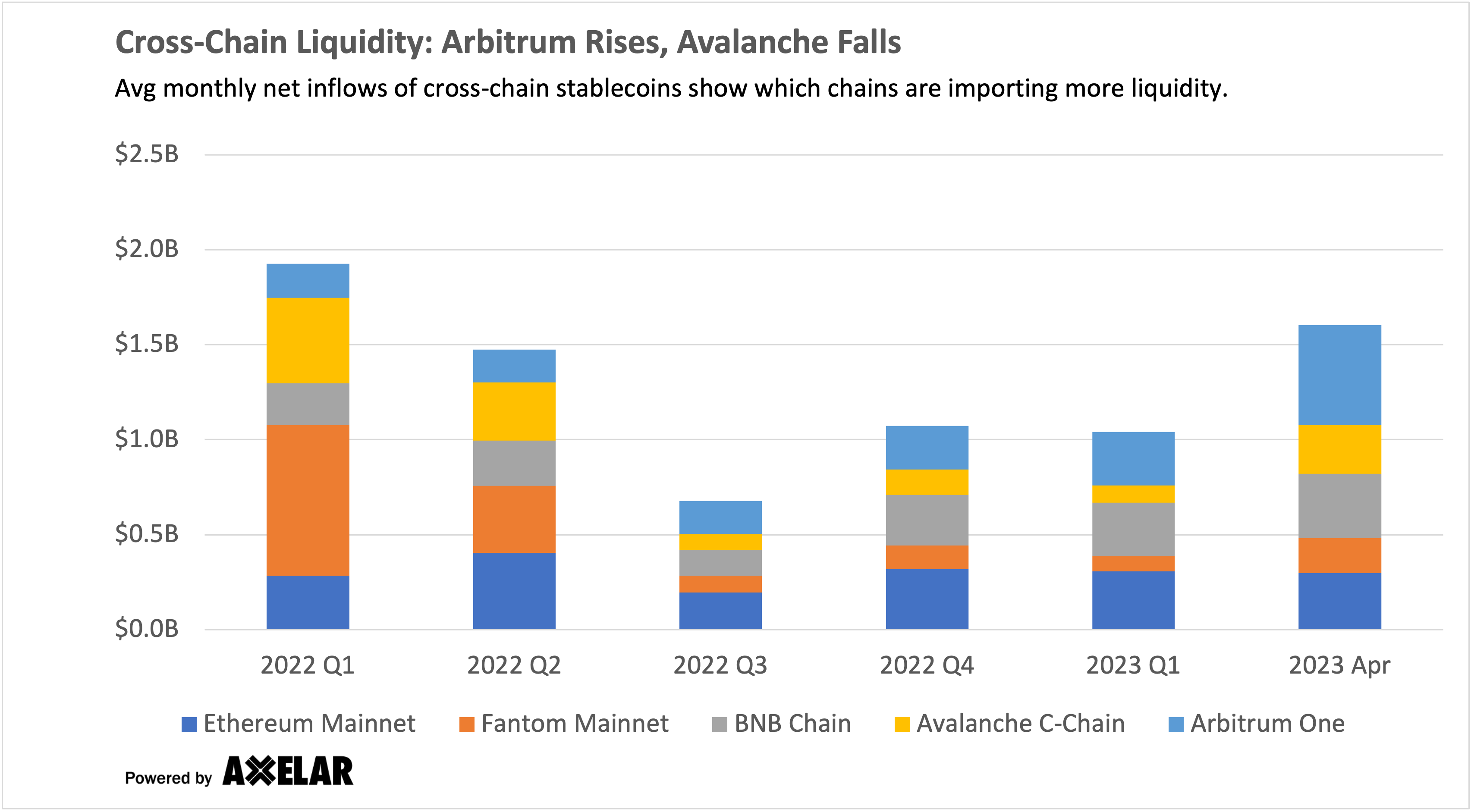
While IBC is native to the Cosmos SDK, bridges and relayers now connect Cosmos assets to Ethereum, Solana, and other ecosystems. This expands your addressable market but introduces cross-chain bridge risks. Institutions must carefully audit the security assumptions of these relayers. Opt for this route only when your liquidity strategy requires exposure to non-IBC chains, acknowledging the added complexity.
Common Mistakes in Cross-Chain Liquidity
Institutional adoption of Cosmos IBC often stalls not because of protocol failure, but due to misaligned expectations. Before committing capital, teams must navigate three specific pitfalls that undermine liquidity efficiency.
Ignoring the Trust Assumption
IBC provides security, not trustlessness in the Ethereum sense. When assets move from Chain A to Chain B, the receiving chain relies on the light client verification of the source chain. If the source chain’s validator set is small or centralized, the bridge inherits that risk. Institutions must audit the security model of every connected chain, not just the IBC protocol itself.
Overlooking Latency
IBC is not instant. The handshake process involves packet sending, relaying, and acknowledgment. For high-frequency trading or arbitrage, this delay is fatal. Teams often mistake IBC’s "trust-minimized" nature for speed. In reality, relayer latency can range from seconds to minutes depending on network congestion and relayer incentives.
Underestimating Liquidity Fragmentation
Just because tokens are interoperable does not mean liquidity is deep. Many IBC-connected chains have thin order books. Moving assets across chains without sufficient depth can result in significant slippage. Always verify on-chain liquidity pools on the destination chain before executing large transfers.
No comments yet. Be the first to share your thoughts!