
What is Cosmos IBC 2.0
The Inter-Blockchain Communication Protocol (IBC) has long been the gold standard for cross-chain communication, but it was originally designed with a specific architectural bias. IBC Classic required both the sending and receiving chains to implement the IBC protocol natively within their consensus layers. This created a "walled garden" where only chains built with the Cosmos SDK could easily connect, leaving major ecosystems like Ethereum on the outside looking in.
IBC 2.0 represents a fundamental protocol redesign that dismantles these barriers. By streamlining the underlying architecture, the new version reduces complexity and expands connectivity to gas-metered environments. This means that blockchains which do not natively support the Cosmos SDK—such as Ethereum, Solana, or Bitcoin—can now participate in IBC transfers without rewriting their core consensus logic.
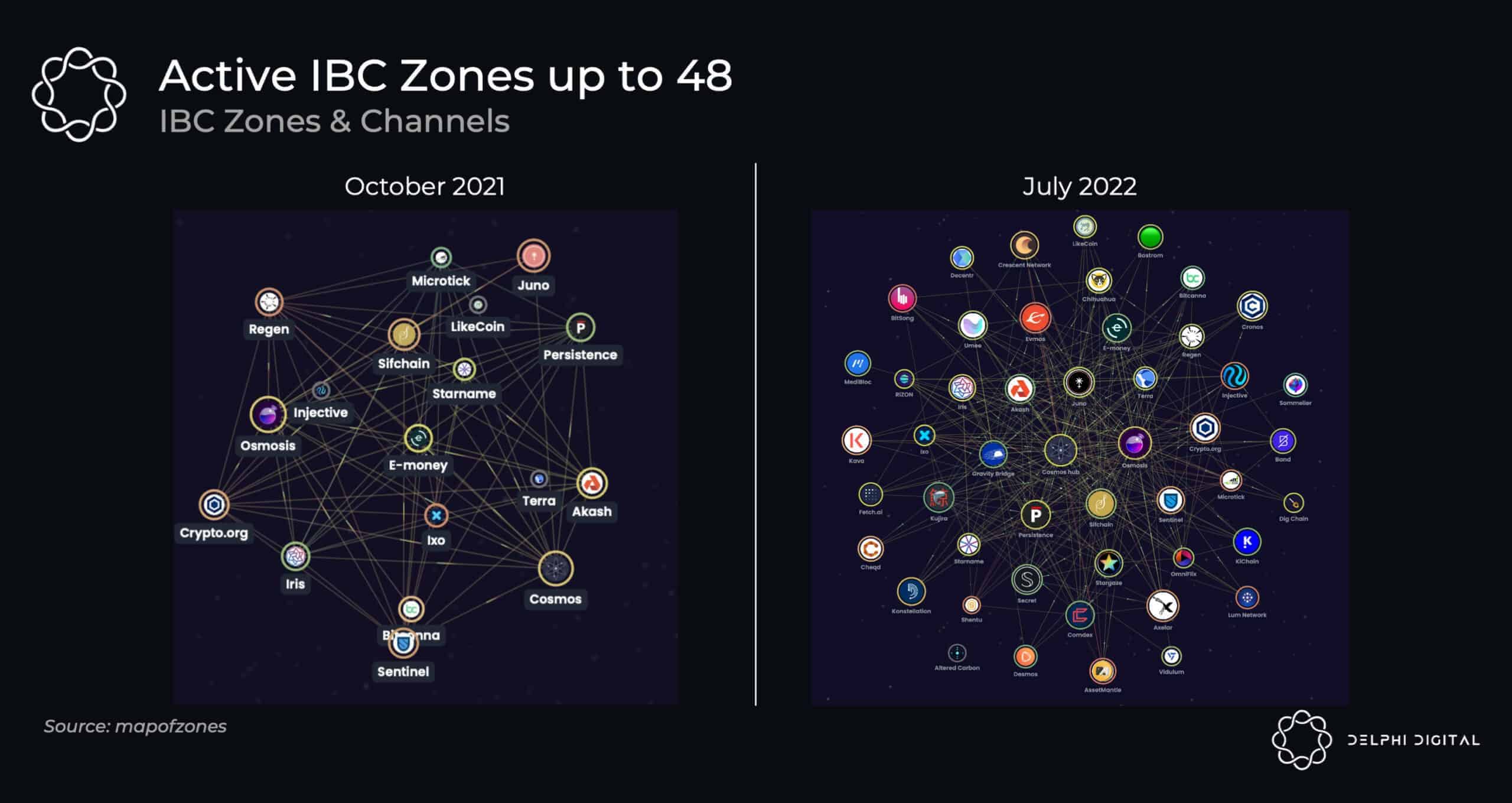
This shift transforms IBC from a closed ecosystem feature into a universal interoperability standard. Instead of requiring every chain to become a "Cosmos chain" to communicate, IBC 2.0 allows external chains to act as IBC light clients or relayers. This compatibility layer enables seamless data and token transfers between the Cosmos ecosystem and the broader multi-chain landscape, including Ethereum's vast DeFi and NFT markets.
The upgrade effectively turns the Cosmos ecosystem into a hub that can plug directly into other major networks. By removing the requirement for native protocol implementation on the counterparty chain, IBC 2.0 opens the door for thousands of existing blockchains to join the interchain internet without significant developer overhead.
KeyTakeaways
- IBC 2.0 is a streamlined redesign of the original IBC Classic protocol.
- It reduces architectural complexity, making implementation easier for new chains.
- The upgrade enables connectivity with gas-metered chains like Ethereum.
- External chains can now use IBC without needing to adopt the Cosmos SDK.
Simplifying connection architecture
Cosmos IBC 2.0 represents a fundamental redesign of the Inter-Blockchain Communication protocol, moving away from the rigid structures of IBC Classic. The primary goal is to reduce architectural complexity while expanding connectivity to new types of environments, such as gas-metered systems. This shift is not merely incremental; it is a structural overhaul intended to make integration roughly 10 times easier for developers building across the Cosmos ecosystem.
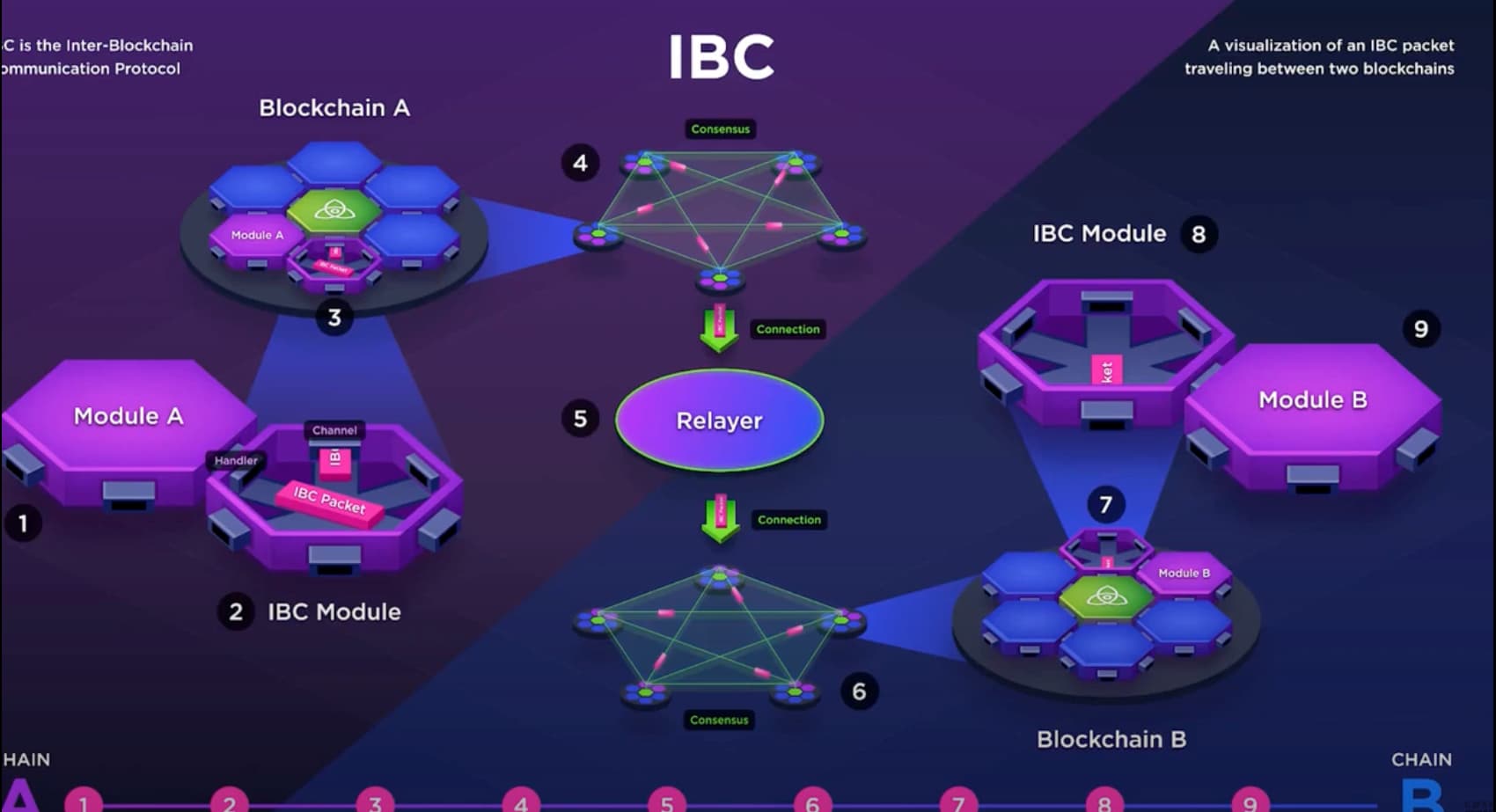
In the previous version, connecting two chains often required significant custom code to handle packet handling, acknowledgement, and timeout logic. IBC 2.0 streamlines these processes by introducing a more standardized, modular approach. Think of it as moving from building custom bridges for every river crossing to using a universal, pre-certified connector system. This standardization allows developers to focus on application logic rather than the intricacies of cross-chain plumbing.
The technical improvements are most evident in how IBC 2.0 handles data flow and security assumptions. By simplifying the underlying architecture, the protocol reduces the attack surface and minimizes the potential for integration errors. This makes it feasible for a wider range of blockchains, including those with different consensus mechanisms or economic models, to participate in the IBC network without extensive modifications.
For developers, this means a significantly lower barrier to entry. The reduction in code complexity translates to faster development cycles and more secure implementations. As the Cosmos ecosystem continues to grow, this simplified architecture ensures that new chains can interoperate with existing ones with minimal friction, fostering a more connected and resilient network. You can explore the technical details of this redesign in the IBC-Go documentation.
Connecting to Ethereum and EVM Chains
Bringing IBC to Ethereum has long been the holy grail of interoperability, but previous attempts were hampered by high costs and technical bloat. The IBC v2 upgrade changes this dynamic by leveraging Succinct's Processor SP1, a zero-knowledge virtual machine (zkVM). This shift allows for affordable and secure cross-chain transactions without relying on the heavy, resource-intensive light clients that plagued earlier iterations.
Previously, connecting Cosmos to Ethereum required maintaining complex light clients on both sides. These clients needed to constantly verify the state of the other chain, leading to significant gas fees and latency. By moving the verification logic off-chain and using zero-knowledge proofs, IBC v2 drastically reduces the cost of bridging assets and data. This approach is encoding-agnostic, meaning it can handle various data types without needing custom implementations for every new chain.
The implementation of IBC v2 in Solidity, as seen in the solidity-ibc-eureka repository, demonstrates how this simplified protocol can be integrated directly into EVM environments. This development marks a significant step toward a truly interconnected blockchain ecosystem, where Cosmos and Ethereum can communicate seamlessly.
How IBC 2.0 Enables Chain Abstraction
The primary impact of the IBC 2.0 upgrade is the shift toward "chain abstraction." For the average user, this means the underlying complexity of blockchain infrastructure disappears. Previously, interacting with a different chain required manual bridging, managing distinct native tokens for gas, and navigating fragmented liquidity. IBC 2.0 changes this by allowing applications to handle these technical hurdles in the background.
This abstraction is driven by improvements in the IBC relayer infrastructure and the introduction of standardized cross-chain messaging patterns. Instead of users manually triggering transactions on multiple chains, IBC 2.0 enables atomic, cross-chain transactions. A single interaction can now validate state across multiple independent blockchains simultaneously, ensuring that either all steps succeed or none do. This eliminates the risk of stuck assets—a common failure mode in older bridging solutions.
For DeFi, this technical shift translates to a unified liquidity layer. Users can access assets from any IBC-enabled chain as if they were local to their wallet. Gas fees can be paid in stablecoins or tokens native to the user's home chain, rather than requiring the often-volatile native token of the destination chain. This reduces friction significantly, making cross-chain DeFi as intuitive as using a centralized exchange without the associated custody risks.
The result is a more cohesive ecosystem where value and data flow freely between zones. Applications can build complex financial primitives that leverage the best features of multiple chains without exposing users to the operational complexity. As noted by the Interchain Foundation, this architecture supports scalable and secure interconnected Layer 1s, fostering an environment where interoperability is a foundational feature rather than an afterthought. This seamless integration is what will define the DeFi landscape in 2026, moving beyond simple token swaps to true composability across the Cosmos network.
Common Questions About IBC
The Inter-Blockchain Communication (IBC) protocol is the backbone of the Cosmos ecosystem, enabling independent blockchains to exchange data and tokens. While the concept is straightforward, specific details about its operation and naming often cause confusion for new developers and users.
No comments yet. Be the first to share your thoughts!