
Why Cosmos IBC Matters Now
Cosmos IBC has moved past the experimental phase to become the dominant standard for cross-chain interoperability. In 2026, the focus has shifted from theoretical connectivity to real-world liquidity flows. The protocol now supports over 115 chains, creating a dense network where assets and data move freely without relying on centralized bridges or wrapped tokens.
This scale transforms how value moves across the ecosystem. Instead of fragmented liquidity pools isolated in silos, IBC enables a unified market where capital seeks the best yield or utility regardless of the underlying chain. Projects like Osmosis have leveraged this connectivity to become major liquidity hubs, demonstrating that interoperability is not just about communication, but about economic efficiency.
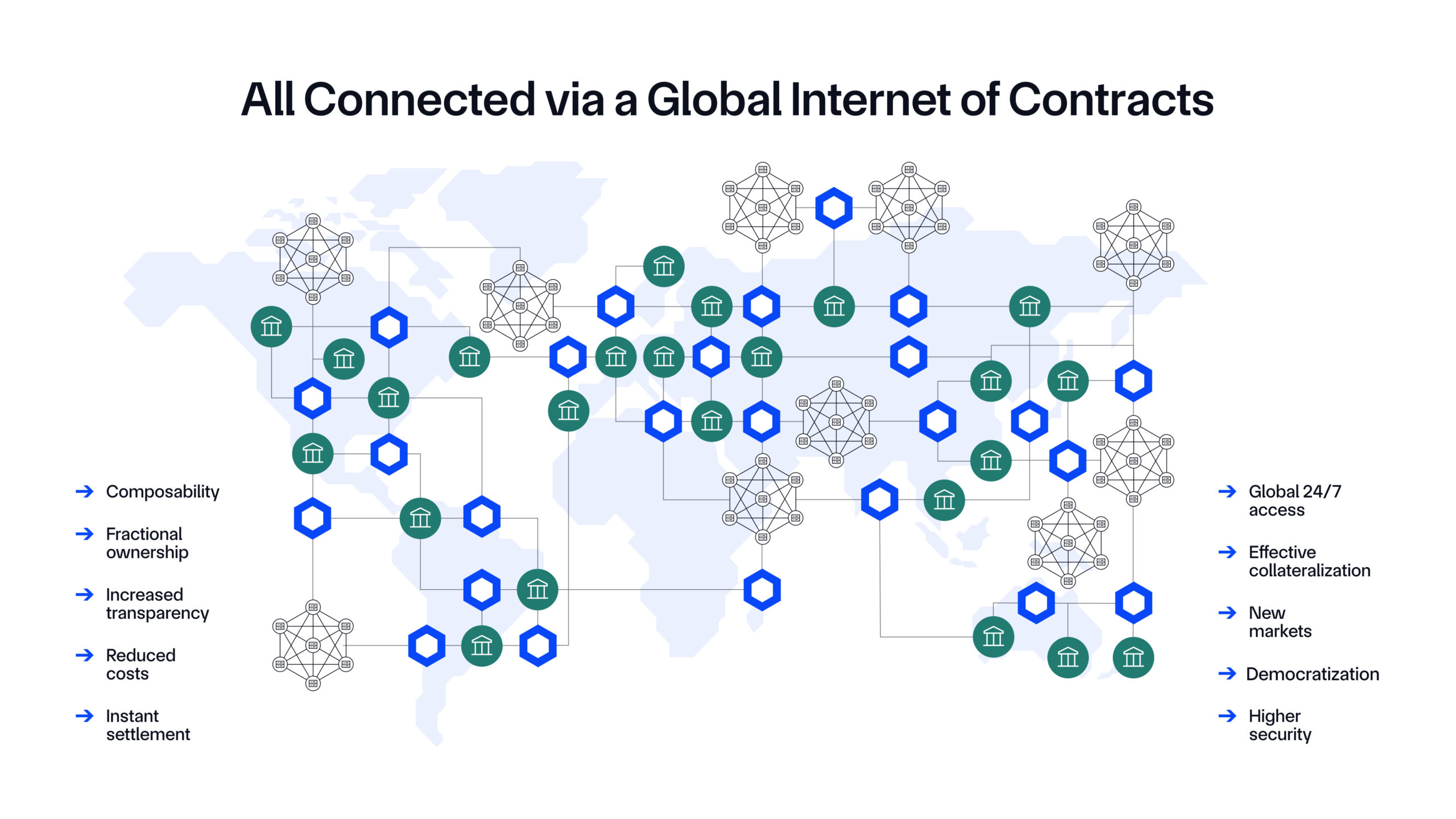
The result is a resilient infrastructure where the strength of the network lies in its connections. As more chains adopt IBC, the cost of cross-chain transactions drops, and the speed of capital deployment increases. This is no longer a niche feature for developers; it is the backbone of a multi-chain economy where liquidity flows like water, finding the lowest resistance path to value.
Cosmos Hub: The Interchain Security Anchor
The Cosmos Hub operates as the central settlement layer for the interchain, providing shared security to other zones through Interchain Security (ICS). Rather than requiring every new blockchain to bootstrap its own validator set from scratch, ICS allows these chains to lease security from the Hub’s robust validator network. This model reduces the friction of launching new assets while ensuring that critical infrastructure maintains a high bar for reliability and censorship resistance.
This shared security mechanism directly facilitates liquidity flows across the ecosystem. When a chain like Osmosis or Celestia connects to the Hub, it inherits the Hub’s security guarantees, making its assets more trustworthy to external partners. Liquidity providers can move assets between these chains with greater confidence, knowing that the underlying security posture is backed by a large, distributed set of validators. The result is a cohesive network where value can move freely without compromising on safety.
The Hub also serves as the primary liquidity pool for IBC transfers. Most cross-chain trades route through the Hub’s native tokens or stablecoins, acting as a bridge between disparate ecosystems. This centralization of liquidity means that even smaller chains can access deep order books and efficient pricing. As the network grows, the Hub’s role as the anchor point for both security and capital becomes increasingly vital to the health of the Cosmos ecosystem.
Osmosis: The Liquidity Hub
Osmosis operates as the central liquidity hub for the Cosmos ecosystem, functioning as a decentralized exchange designed specifically for IBC assets. Rather than relying on isolated trading pairs, it aggregates liquidity from across the network, allowing assets to flow seamlessly between chains. This structure ensures that traders can access deep order books for tokens that might otherwise suffer from fragmentation in smaller, standalone ecosystems.
The protocol’s Automated Market Maker (AMM) model allows users to provide liquidity for specific IBC-denominated pairs. When a user swaps ATOM for a token bridged from another chain, the trade settles against this pooled liquidity. This mechanism reduces slippage for large trades and provides consistent pricing for cross-chain assets. It effectively turns the entire Cosmos ecosystem into a single, unified liquidity pool.
Real-world utility becomes apparent when observing the volume of IBC transfers routed through Osmosis. Traders use it to rebalance portfolios across different Cosmos chains without needing to bridge assets manually to a centralized exchange. This direct on-chain settlement preserves custody and reduces counterparty risk. As the IBC protocol expands to include more chains, Osmosis serves as the primary interface where that new liquidity is first absorbed and traded.
The network effect is self-reinforcing. As more chains connect via IBC, the variety of tradable assets on Osmosis grows. This attracts more liquidity providers, which in turn improves trade execution for users. It creates a central nervous system for the Cosmos economy, where value can move and be exchanged with minimal friction.
Celestia and Modular Data Availability
Celestia provides the modular data availability layer that allows Cosmos IBC chains to scale without being bottlenecked by consensus. Instead of every chain storing all historical data, Celestia handles the heavy lifting of data publication, freeing up space for faster transaction processing.
This separation of concerns creates a cleaner environment for cross-chain liquidity. Chains like dYdX and Evmos leverage this modular structure to maintain high throughput while remaining secure and interconnected via IBC. The result is a more efficient flow of assets across the interchain.
By offloading data availability to Celestia, the Cosmos ecosystem can support a denser web of interconnected applications. This infrastructure supports the liquidity hubs that drive the majority of cross-chain activity in 2026.
Stargaze and the NFT Interchain
Stargaze has positioned itself as the primary home for NFTs on Cosmos, but its real value lies in how it connects to the wider IBC ecosystem. By leveraging IBC, Stargaze allows digital collectibles to move beyond the confines of a single chain, enabling liquidity to flow toward the most active markets.
This interoperability means that assets minted on Stargaze can be bridged to chains like Osmosis or Cosmos Hub. Collectors aren't locked into one ecosystem; they can trade and hold assets across multiple networks, increasing visibility and potential value for creators.
The flow of liquidity follows the path of least resistance. When IBC facilitates seamless transfers, NFTs can access deeper pools of buyers and traders. This reduces fragmentation and ensures that digital art and collectibles remain liquid and accessible across the entire Cosmos network.
No comments yet. Be the first to share your thoughts!