
Cosmos IBC 2026 budget
By 2026, the Cosmos IBC ecosystem has matured from experimental testnets to a robust production network. This maturity means that hardware requirements have shifted. You no longer need high-end servers to participate, but you do need reliable infrastructure to handle the increased volume of cross-chain traffic. Understanding this shift is critical for anyone looking to run a node or build on IBC without overspending.
The budget for an IBC setup falls into three distinct tiers, each serving a different use case. The choice depends on whether you are running a full validator, a light client, or a dedicated application node.
Entry-level: Light Client and Dev Testing
For developers testing IBC applications or users running light clients, the hardware demands are minimal. A standard single-board computer or a low-cost VPS is sufficient. This tier focuses on connectivity rather than consensus participation.
- Hardware: Raspberry Pi 4 (4GB+ RAM) or a $5-10/month VPS.
- Use Case: Running light clients, testing IBC middleware, and local development.
- Cost Efficiency: Low initial outlay. You can scale this up easily if your project gains traction.
Mid-tier: Full Node and Archive Node
If you are building applications that require real-time data or need to index historical blockchain states, a full node is necessary. This tier balances cost with data integrity. It is the sweet spot for most serious IBC developers and small-scale validators.
- Hardware: 16GB RAM, 500GB NVMe SSD, 4-core CPU.
- Use Case: Running full nodes for Cosmos SDK chains, indexing IBC packets, and supporting dApps.
- Cost Efficiency: Moderate monthly cost. The NVMe SSD is essential for fast IBC packet processing.
High-tier: Validator and Enterprise Infrastructure
Running a validator requires significant resources to ensure uptime and security. This tier is for those stakingATOM or other Cosmos tokens and participating in network governance. The cost here is driven by the need for redundancy and high availability.
- Hardware: 32GB+ RAM, 1TB+ NVMe SSD, 8-core CPU, and dedicated bandwidth.
- Use Case: Validator operations, enterprise-grade IBC relayers, and high-throughput application backends.
- Cost Efficiency: Higher initial investment, but justified by staking rewards and network influence.
Choosing the right tier depends on your specific role in the ecosystem. For most developers, starting with the entry-level tier and scaling as needed is the most practical approach. The Cosmos IBC documentation provides detailed guidelines for each node type, ensuring you can align your budget with your technical requirements.
Best Cosmos IBC Relayer Services in 2026
A Cosmos IBC relayer is an off-chain service that enables blockchains to communicate with each other. It scans connected chains, builds and submits proofs, and ensures messages are delivered across the Interchain. Choosing the right provider depends on your need for speed, security, or automation.
The following table compares the strongest IBC relayer options available in 2026. These services range from open-source tools for developers to managed platforms for enterprises.
| Provider | Type | Best For | Cost Model |
|---|---|---|---|
| Hermes | Open Source | Developer control and customization | Free (self-hosted) |
| Relayer Services (e.g., Forbole, Chainlayer) | Managed | High availability and support | Subscription or per-message |
| Ibctools | Hybrid | User-friendly dashboard and monitoring | Freemium model |
| Cosmos Relayer (JS) | Open Source | JavaScript/TypeScript ecosystem integration | Free (self-hosted) |
Open-source options like Hermes offer maximum control but require technical expertise to maintain. Managed services provide reliability and support, making them suitable for projects that cannot dedicate engineering resources to relayer infrastructure. Hybrid platforms strike a balance, offering dashboards for monitoring while allowing some level of customization.
When selecting a relayer, consider the specific chains you need to connect. Not all providers support every IBC-enabled chain in the Cosmos ecosystem. Verify compatibility and uptime guarantees before committing to a service.


As an Amazon Associate, we may earn from qualifying purchases.
Inspect the expensive parts
Cross-chain bridges are the most common point of failure in the Cosmos IBC ecosystem. When a transfer fails, the cost isn't just the transaction fee; it's the time lost and the potential loss of funds if the relayer or channel gets stuck. Before you deploy or trust a new connection, run through this checklist to spot the high-risk areas.
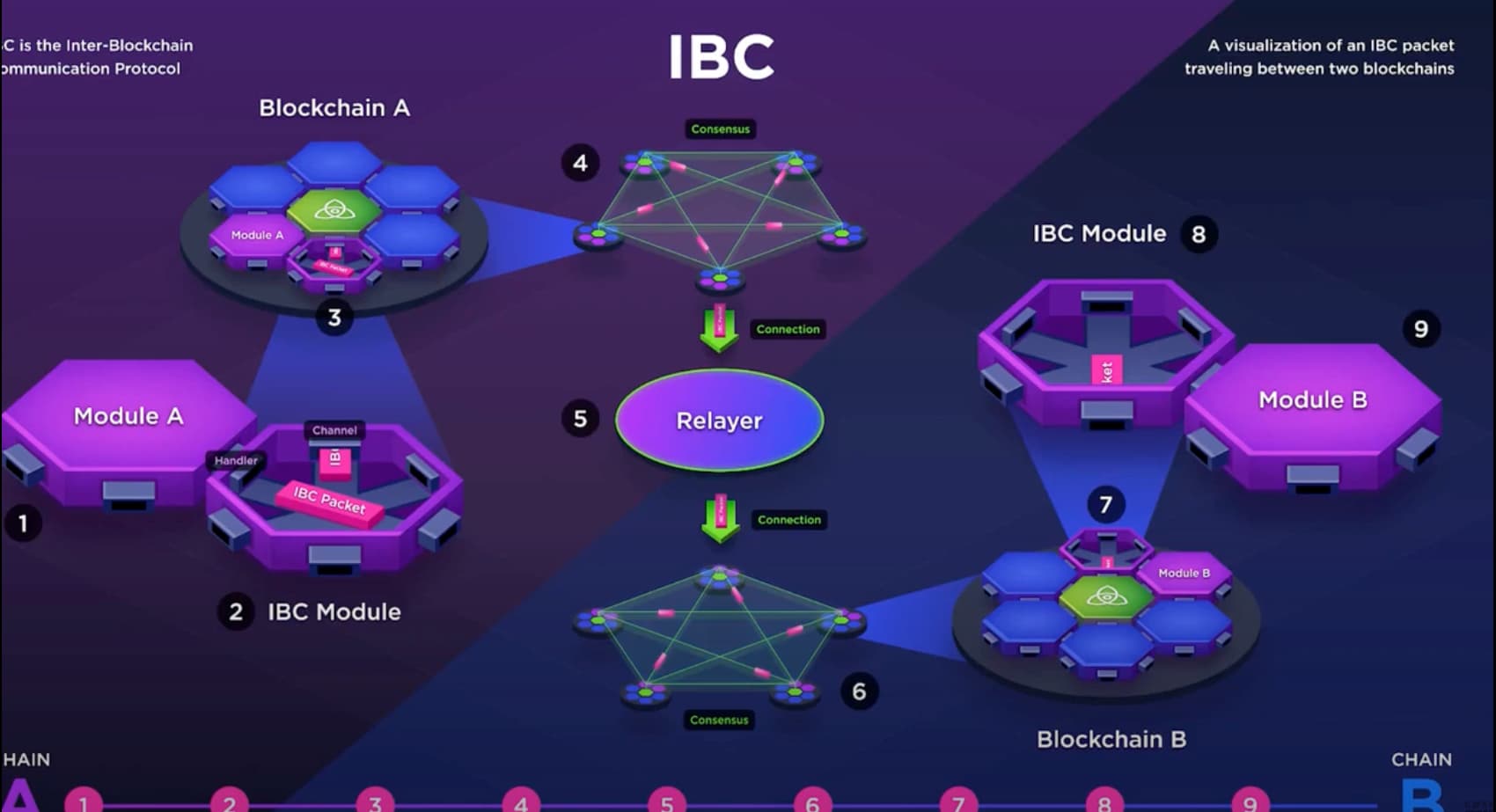
Relayers are the engines that move packets between chains. If a relayer is down or has insufficient funds for gas, your tokens will sit in limbo. Use a block explorer or dashboard to verify that relayers are actively submitting proofs for your specific channel. A healthy channel shows consistent packet acknowledgment times.
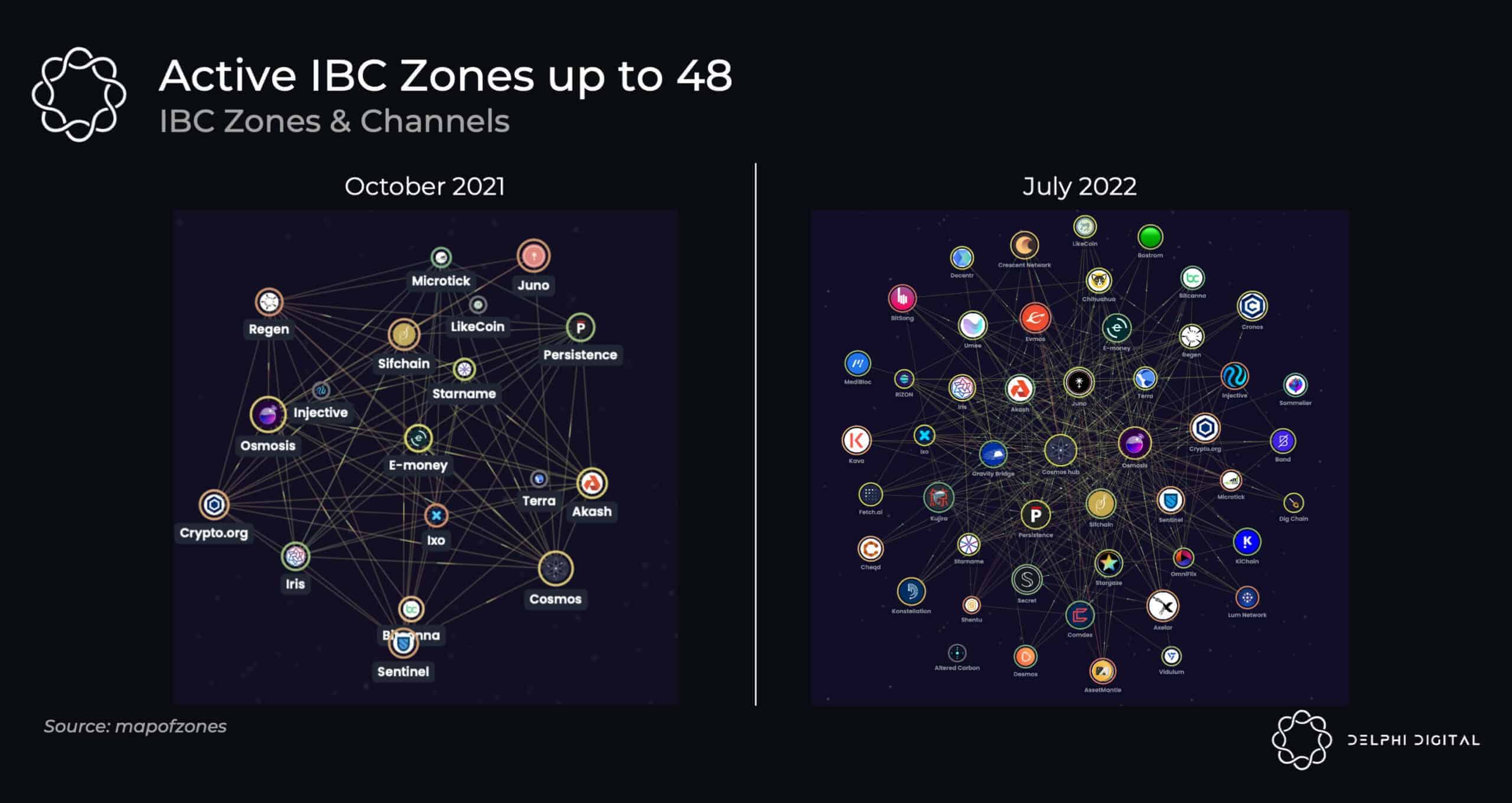
Not all IBC channels are created equal. Some have tighter timeout periods or limited transfer limits. Check the MaxTransferAmount and Timeout settings on the channel. If you're moving large sums, ensure the timeout window is wide enough to handle network congestion without dropping your packet.
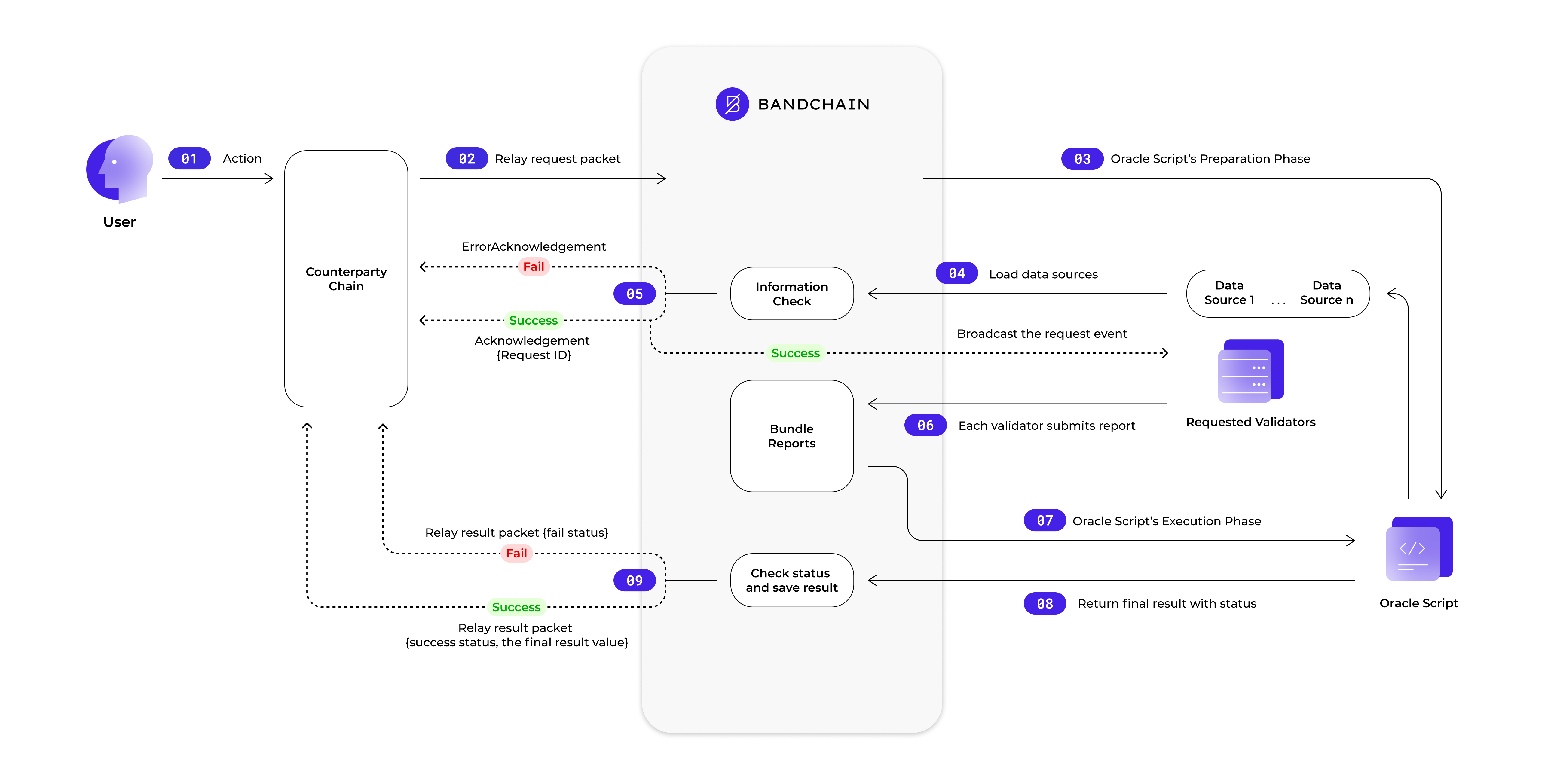
Many IBC applications use middleware like the NFT transfer module or token factory. Each layer adds complexity and a new potential failure point. Review the GitHub repositories for the specific IBC apps you're using. Look for recent commits and open issues to gauge the maturity of the code. Outdated middleware is a silent killer of cross-chain functionality.
Never send your full portfolio across a new chain without a test run. Send a minimal amount to verify the entire flow: send, relay, and receive. This confirms that the receiving chain has the correct denomination mapping and that your wallet is configured properly. It’s the cheapest insurance policy you can buy.
Ownership costs and hidden maintenance burdens
A low upfront price for IBC-compatible hardware or software rarely tells the full story of total cost of ownership. The real expense often lies in the ongoing maintenance required to keep cross-chain connections secure and functional. While the Cosmos ecosystem offers powerful interoperability tools, running a node or integrating IBC middleware demands consistent technical oversight that can quickly erode initial savings.
Software maintenance and dependency updates
Most IBC applications rely on the ibc-go module, which has seen significant consolidation from earlier repositories like cosmos/ibc-apps. As noted in recent documentation updates, older modules are being archived, meaning users must actively track and migrate to current versions to remain supported. Ignoring these updates can leave your infrastructure vulnerable to bugs or incompatible states as the ecosystem evolves. This is not a set-it-and-forget-it technology; it requires regular patching and version alignment.
Hardware uptime and operational overhead
For those running validator nodes or full nodes to participate in the IBC network, hardware costs extend beyond the initial purchase. Electricity, cooling, and reliable internet connectivity create a recurring operational bill. Unlike static wallets, active nodes must remain online 24/7 to attest to cross-chain transactions. A single day of downtime can result in missed rewards or, in severe cases, slashing penalties, turning a "cheap" hardware investment into a costly liability.
Security audits and insurance
Integrating IBC into a broader financial stack introduces new attack vectors. Cross-chain bridges and relayers are frequent targets for exploits due to the complexity of atomic swaps and multi-chain smart contracts. Budgeting for third-party security audits or purchasing cyber insurance for node operations is often overlooked in initial projections. Without these safeguards, a single vulnerability can wipe out the value of the entire setup, far exceeding any initial hardware or software discounts.



As an Amazon Associate, we may earn from qualifying purchases.
No comments yet. Be the first to share your thoughts!