
What is Cosmos IBC?
Cosmos IBC (Inter-Blockchain Communication) is a protocol enabling independent blockchains to exchange tokens and arbitrary data directly, without centralized validators or wrapping mechanisms. It functions as a standardized communication layer, allowing chains to interact at the byte level while maintaining their own security models and consensus mechanisms.
At its core, IBC operates on a packet-switched model. When Chain A sends a message to Chain B, the data is encoded and transmitted via light clients. These light clients verify the remote chain's state, ensuring both parties agree on the transfer's validity. This architecture eliminates the need for a central hub or bridge, significantly reducing the attack surface associated with traditional cross-chain solutions.
The protocol supports applications ranging from simple token transfers to complex atomic swaps. In 2026, this foundation underpins over 200 connected networks. Projects like Osmosis leverage IBC to aggregate liquidity across the ecosystem, while Noble uses it for native asset issuance, demonstrating how sovereign chains can interoperate securely.
How IBC Architecture Works
IBC relies on light clients rather than centralized relayers or multi-signature custodians to enable secure, trustless communication. Each participating chain runs a light client for every other chain it communicates with, allowing it to verify state transitions independently.
A light client is a lightweight software component that tracks the consensus state of a remote blockchain. Instead of downloading the entire chain's history, it periodically checks the remote chain's header, validating these headers using cryptographic proofs like Merkle proofs. This confirms that a specific transaction or state change occurred within the remote chain's block.
When Chain A sends assets to Chain B, a relayer submits a proof of the packet's commitment on Chain A to Chain B's light client. Chain B verifies this proof against its local view of Chain A's state. If valid, Chain B accepts the packet and updates its state. This process ensures Chain B can trust data from Chain A without trusting the relayer or any third party.
This architecture enables atomic swaps and cross-chain logic. For example, Osmosis uses IBC to aggregate liquidity from multiple chains, while Noble issues native assets like USDC that transfer seamlessly across the IBC ecosystem. The result is a network of sovereign blockchains interacting securely without compromising individual consensus mechanisms.
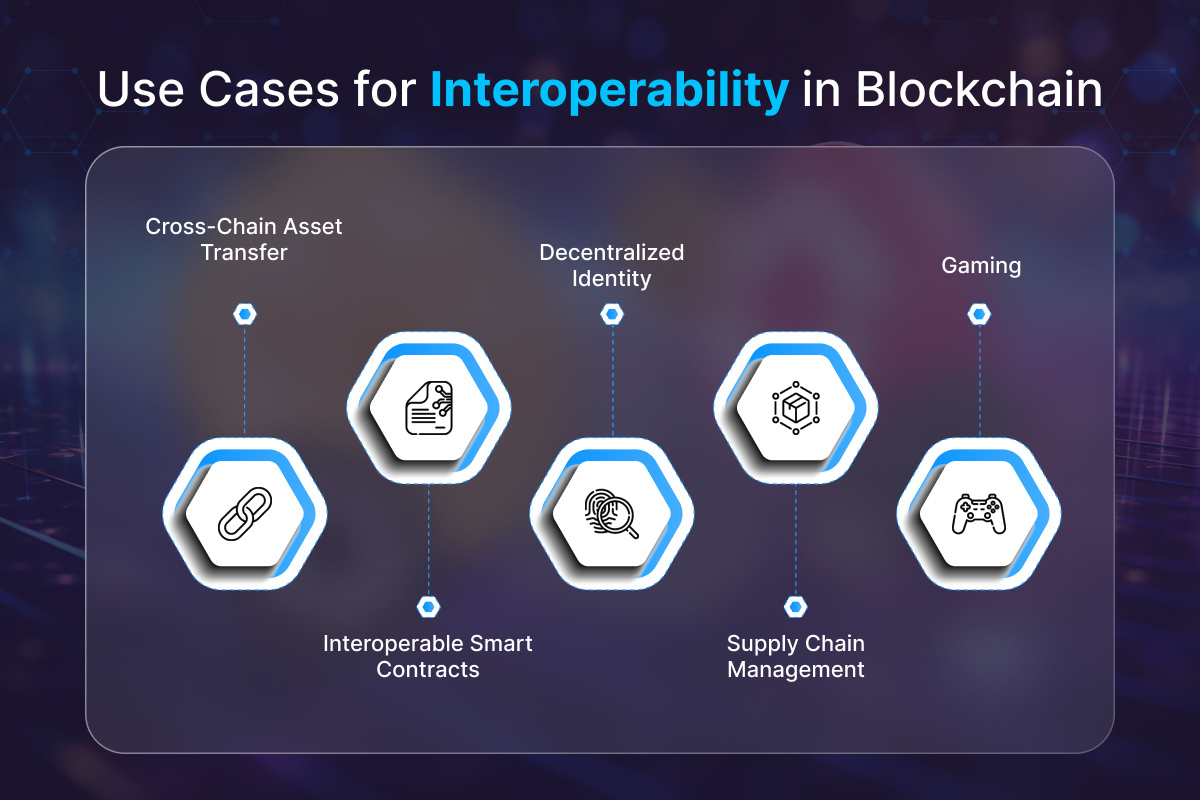
Relayer Infrastructure in 2026
Relayers function as the off-chain nervous system of the Cosmos ecosystem. They are independent services that monitor light clients, package IBC proofs, and submit transactions to bridge assets and data between chains. Without these relayers, the 200+ networks connected by IBC would remain isolated silos.
In 2026, the relayer landscape has shifted from fragmented, manual operations to robust, decentralized infrastructure. Early IBC adoption relied heavily on centralized operators managed by specific projects. Today, services like IBC Protocol and independent relayer networks ensure smooth traffic flow between major hubs like Osmosis and asset issuers like Noble. This decentralization is critical for security; if a single entity controlled all relayers for a chain, it could censor transactions or halt cross-chain liquidity.
Performance improvements have been significant. As the network scaled, latency became a bottleneck for time-sensitive trades and arbitrage. Newer relayer implementations prioritize low-latency proof submission, often leveraging optimized HTTP clients and parallelized processing. This ensures that when a user swaps tokens on Osmosis using USDC issued on Noble, confirmation happens in seconds rather than minutes. The result is a seamless user experience that masks the complexity of cross-chain verification.
The scale of this infrastructure is evident in the sheer volume of daily transactions. With IBC connecting public networks and private consortiums, relayers process millions of packets daily. This volume has driven the development of specialized tools allowing operators to monitor gas prices, track packet acknowledgments, and manage light client updates efficiently. For developers, this means they can focus on building applications without worrying about the underlying mechanics of proof delivery.
KeyTakeaways items=["Relayers are off-chain services that package and submit IBC proofs between chains.", "The 2026 landscape features decentralized relayer networks, reducing single-point-of-failure risks.", "Optimized relayer performance ensures low-latency cross-chain transactions for users."]
Key Projects Using IBC
The Cosmos ecosystem has grown from a handful of test networks to over 200 public chains. This scale allows developers to build specialized applications that communicate directly through IBC. Rather than relying on centralized bridges, these projects use IBC for native liquidity and asset issuance.
Osmosis
Osmosis operates as the primary decentralized exchange within the Cosmos ecosystem. It aggregates liquidity from hundreds of IBC-connected chains, allowing users to swap tokens across different networks without wrapping them. This design makes it the deepest liquidity hub for Cosmos-native assets.
Celestia
Celestia provides modular data availability for rollups and other blockchain applications. By using IBC, Celestia can securely receive data blobs and coordinate with execution layers. This separation of concerns allows developers to build faster, cheaper chains that still maintain interoperability with the broader ecosystem.
Noble
Noble is an application-specific blockchain designed for native asset issuance. It issues stablecoins like USDC and USDY directly on-chain, which can then be transferred via IBC to other networks. This eliminates the need for bridge wrappers, allowing assets to retain their native status across the entire Cosmos network.
- IBC connects over 200 public networks, enabling direct cross-chain communication.
- Osmosis serves as the central liquidity hub for swapping Cosmos-native assets.
- Celestia uses IBC to coordinate data availability with execution layers.
- Noble issues native stablecoins that transfer seamlessly across IBC-connected chains.
Multi-Chain DeFi Strategies
By 2026, IBC has evolved beyond simple token relays into a foundational layer for complex, atomic cross-chain finance. Developers now leverage the protocol’s byte-level data transmission to construct financial primitives that operate seamlessly across the 200+ interconnected networks of the Cosmos ecosystem. This shift transforms isolated liquidity silos into a unified, sovereign yet interconnected market.
Atomic Swaps and Cross-Chain Lending
The core innovation lies in atomic swaps, where assets exchange between chains without counterparty risk. If one leg of the transaction fails, the entire operation reverts, ensuring neither side loses funds. This mechanism underpins advanced cross-chain lending protocols, allowing users to borrow against collateral held on a different chain without wrapping or bridging tokens through centralized intermediaries.
Unified Liquidity Pools
Platforms like Osmosis have pioneered unified liquidity pools that aggregate depth from multiple chains. Instead of fragmented liquidity on individual zones, traders access a consolidated order book that spans the network. Noble, a native asset issuance chain, facilitates this by issuing stablecoins like USDC directly into the IBC ecosystem, ensuring that liquidity is native and secure rather than synthetic.
The Sovereign-Interconnected Balance
This architecture allows chains to maintain sovereignty while participating in a shared financial state. Developers can build cross-chain logic that executes across boundaries, enabling features like cross-chain margin trading or automated portfolio rebalancing. The result is a DeFi landscape where liquidity is fluid, and capital efficiency is maximized without compromising the security guarantees of individual blockchains.
Frequently asked: what to check next
How does IBC handle different token standards?
IBC is token-agnostic. It does not enforce a specific token standard like ERC-20. Instead, it treats transferred assets as generic byte-encoded data. This flexibility allows any blockchain with IBC enabled to transfer its native assets, whether they use UTXO models, account-based models, or other custom structures, ensuring broad compatibility across the heterogeneous Cosmos landscape.
What is the role of Noble in the IBC ecosystem?
Noble is an application-specific blockchain designed for native asset issuance. It issues stablecoins like USDC and USDY directly on-chain, which can then be transferred via IBC to other networks. This eliminates the need for bridge wrappers, allowing assets to retain their native status across the entire Cosmos network.
How has relayer infrastructure changed since 2023?
Relayer infrastructure has shifted from fragmented, manual operations to robust, decentralized networks. Early adoption relied on centralized operators, but today, services like IBC Protocol and independent relayer networks ensure smooth traffic flow. This decentralization reduces single-point-of-failure risks and improves latency for time-sensitive transactions.
No comments yet. Be the first to share your thoughts!