
What is Cosmos IBC in 2026?
The Inter-Blockchain Communication (IBC) protocol serves as the foundational layer of the Cosmos ecosystem, enabling independent blockchains to exchange data and value without relying on centralized intermediaries. In 2026, Cosmos IBC remains the standard for trustless cross-chain interoperability, allowing sovereign networks to communicate directly through a standardized set of rules. This architecture supports everything from simple token transfers to complex atomic swaps and multi-chain smart contracts.
At its core, IBC functions like a universal postal system for blockchains. Each participating chain maintains a light client for every other chain in the network, verifying proofs of state changes locally. When Chain A sends a message to Chain B, the light client on Chain B validates the proof provided by Chain A. If the proof is valid, the message is executed. This mechanism ensures that no single party controls the communication path, preserving the security and sovereignty of each individual blockchain.
The protocol’s design allows chains to share any type of data encoded in bytes, provided both sides agree on the format. This flexibility has led to a rich ecosystem of cross-chain applications, including decentralized exchanges, liquidity bridges, and shared security models. By removing the need for wrapped assets or custodial solutions, Cosmos IBC enables a true "Internet of Blockchains" where assets and information flow freely between specialized networks.
For developers and users, understanding IBC is essential to navigating the Cosmos landscape. It provides the infrastructure for a modular blockchain future, where specialized chains can focus on their unique strengths while remaining connected to a broader network. As the ecosystem matures, IBC continues to evolve, supporting new features and expanding the reach of interoperable blockchain technology.
How Interchain Security v2 Works
Interchain Security v2 (formerly Cross-Chain Security) fundamentally changes how new Cosmos SDK chains bootstrap their security. Instead of each chain recruiting its own set of validators and negotiating individual staking agreements, consumer chains can now lease security directly from the Cosmos Hub. This shared security model allows new projects to launch with the same robust, trustless security guarantees as the Hub, significantly reducing the operational overhead required to maintain a healthy validator set.
The mechanics rely on a relay-based architecture that connects the Hub (the provider chain) to consumer chains. Here is how the process unfolds:
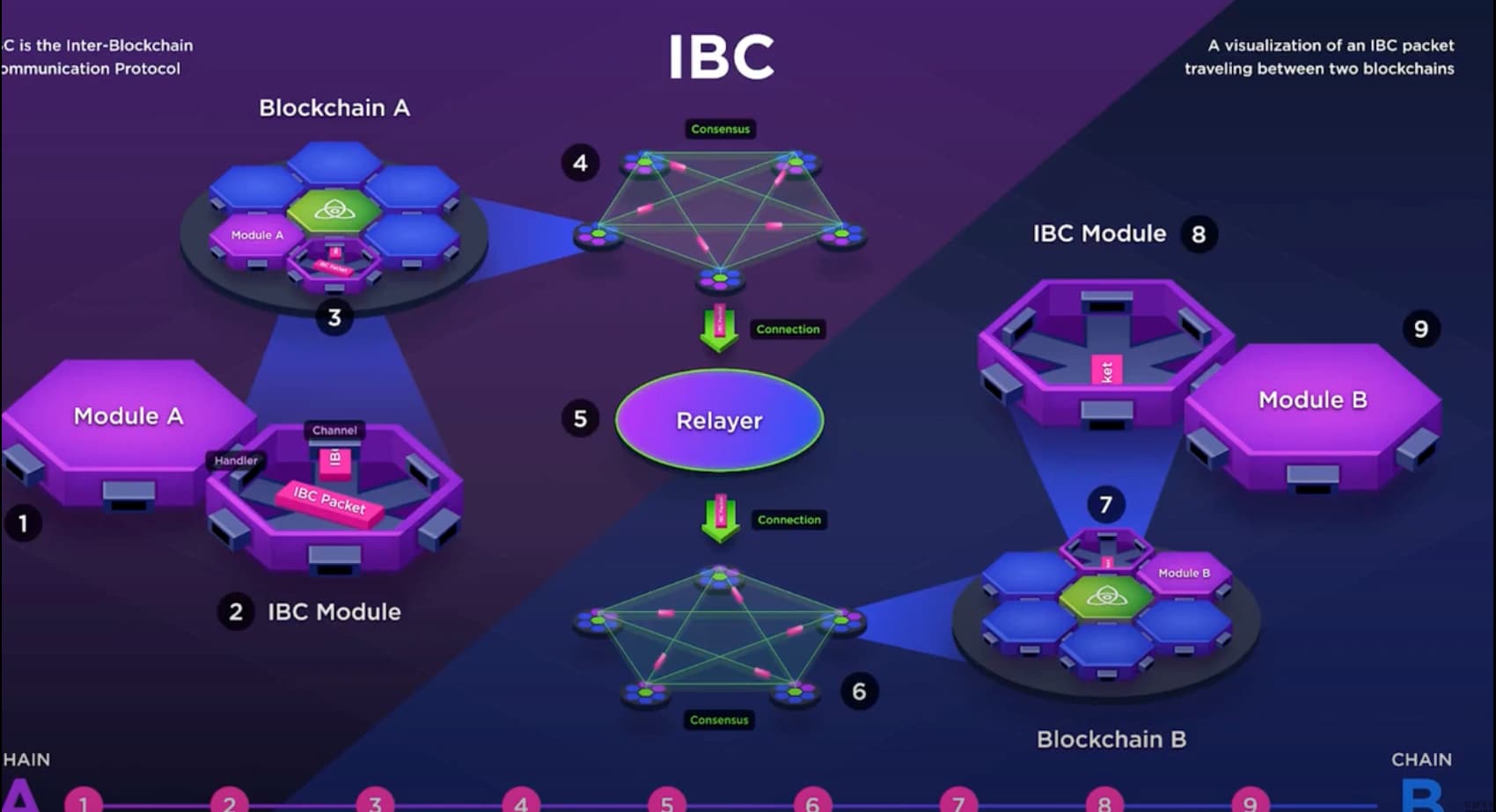
A new chain registers as a consumer with the Cosmos Hub. This involves defining the parameters of the security lease, including the amount of ATOM staked required to back the consumer chain and the slashing conditions that will apply if the consumer chain misbehaves.
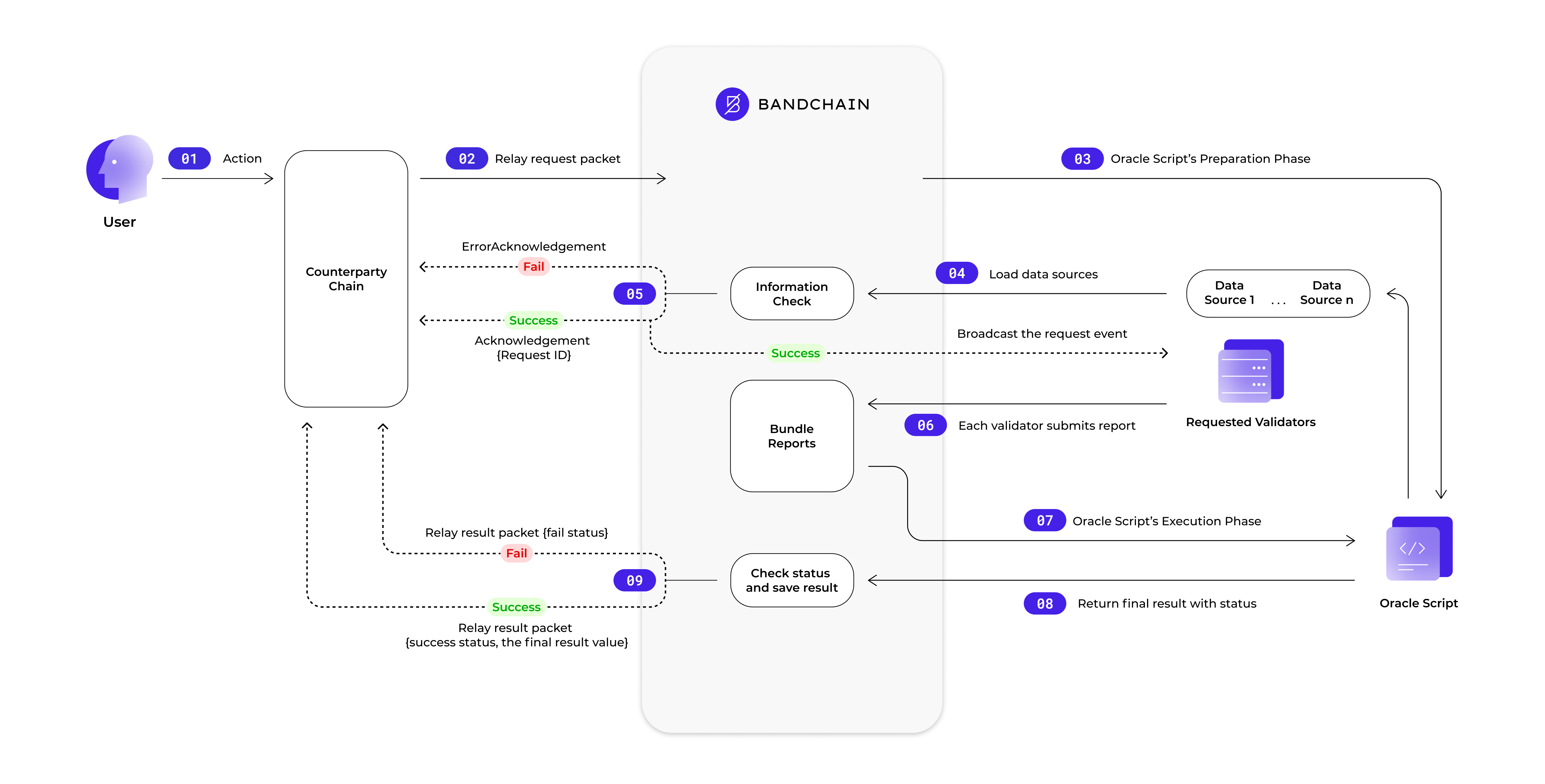
Validators on the Cosmos Hub opt-in to securing the consumer chain. They must bond additional ATOM specifically for this consumer chain. This creates a unified security pool where the Hub's validators collectively back the consumer chain, ensuring that the economic stake is substantial enough to deter malicious activity.
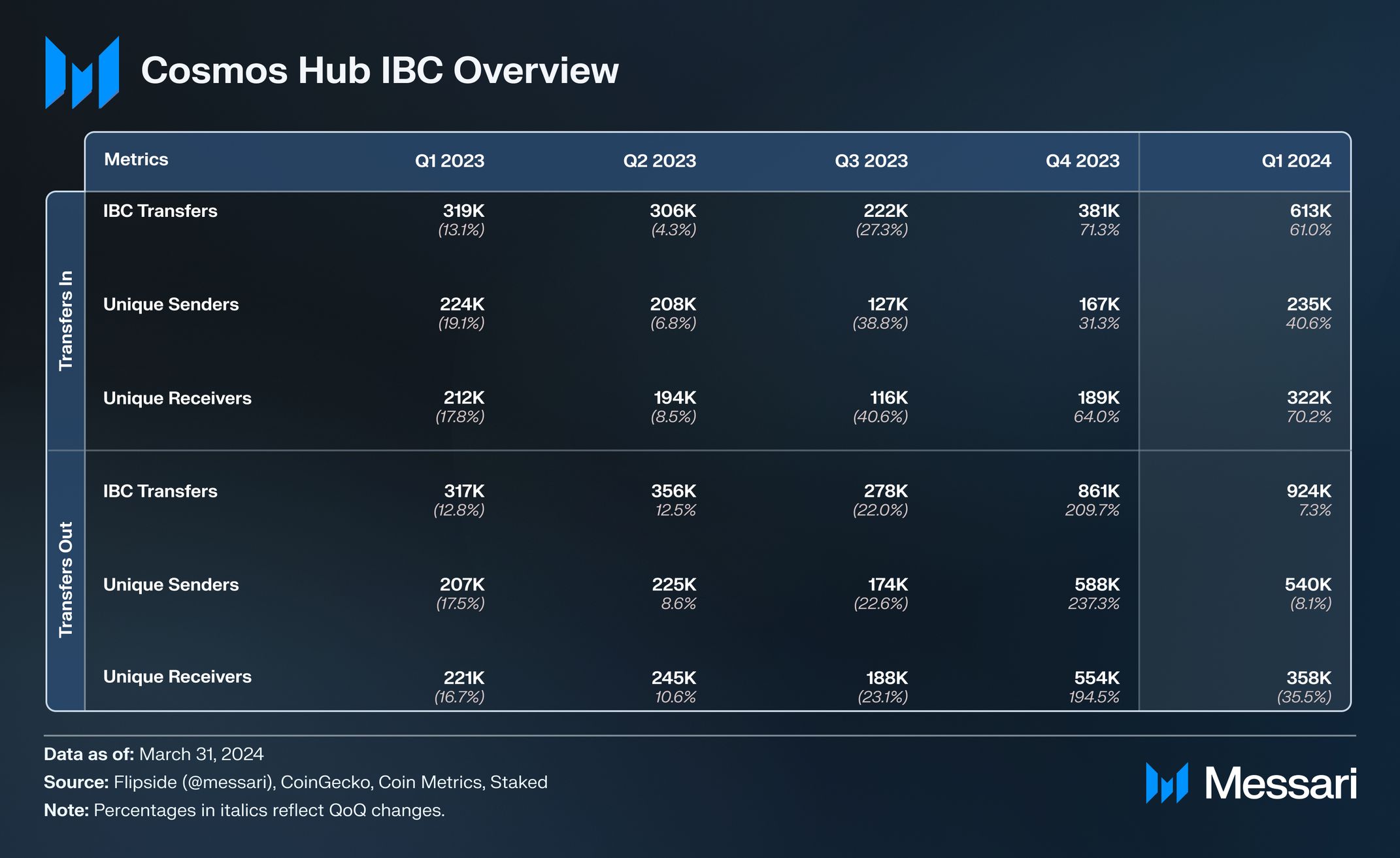
The Hub relays block heights and state proofs to the consumer chain via the IBC protocol. The consumer chain's consensus is secured by the Hub's validators, who sign blocks on behalf of the consumer chain. This means the consumer chain does not need its own independent set of validators to achieve finality; it inherits the Hub's finality.
If a validator on the Hub misbehaves on the consumer chain (e.g., by double-signing or being offline), the Hub can slash the validator's stake. This shared liability ensures that validators have a strong incentive to maintain high performance and security across all chains they secure. In return, validators receive a portion of the consumer chain's inflation or fees, proportional to their stake.
This architecture creates a trustless environment where the security of the entire interchain is as strong as the strongest link—the Cosmos Hub. By leveraging the Hub's established validator set, consumer chains can focus on their unique applications and governance without worrying about the foundational layer of security. This modular approach is central to the Cosmos IBC 2026 vision, enabling a scalable and interoperable ecosystem where security is a shared resource rather than a siloed burden.
The result is a more efficient use of capital and a more secure network overall. New chains can launch faster, and users can interact with them with the confidence that their assets are protected by the same rigorous standards as the Cosmos Hub itself.
Key Updates in the Cosmos Hub Roadmap
The Cosmos Hub’s 2026 roadmap prioritizes technical precision over speculative growth, focusing on three core pillars: scalability, middleware integration, and enhanced IBC capabilities. These upgrades are designed to make the Cosmos IBC 2026 standard more robust for developers building cross-chain applications.
Scalability and Throughput
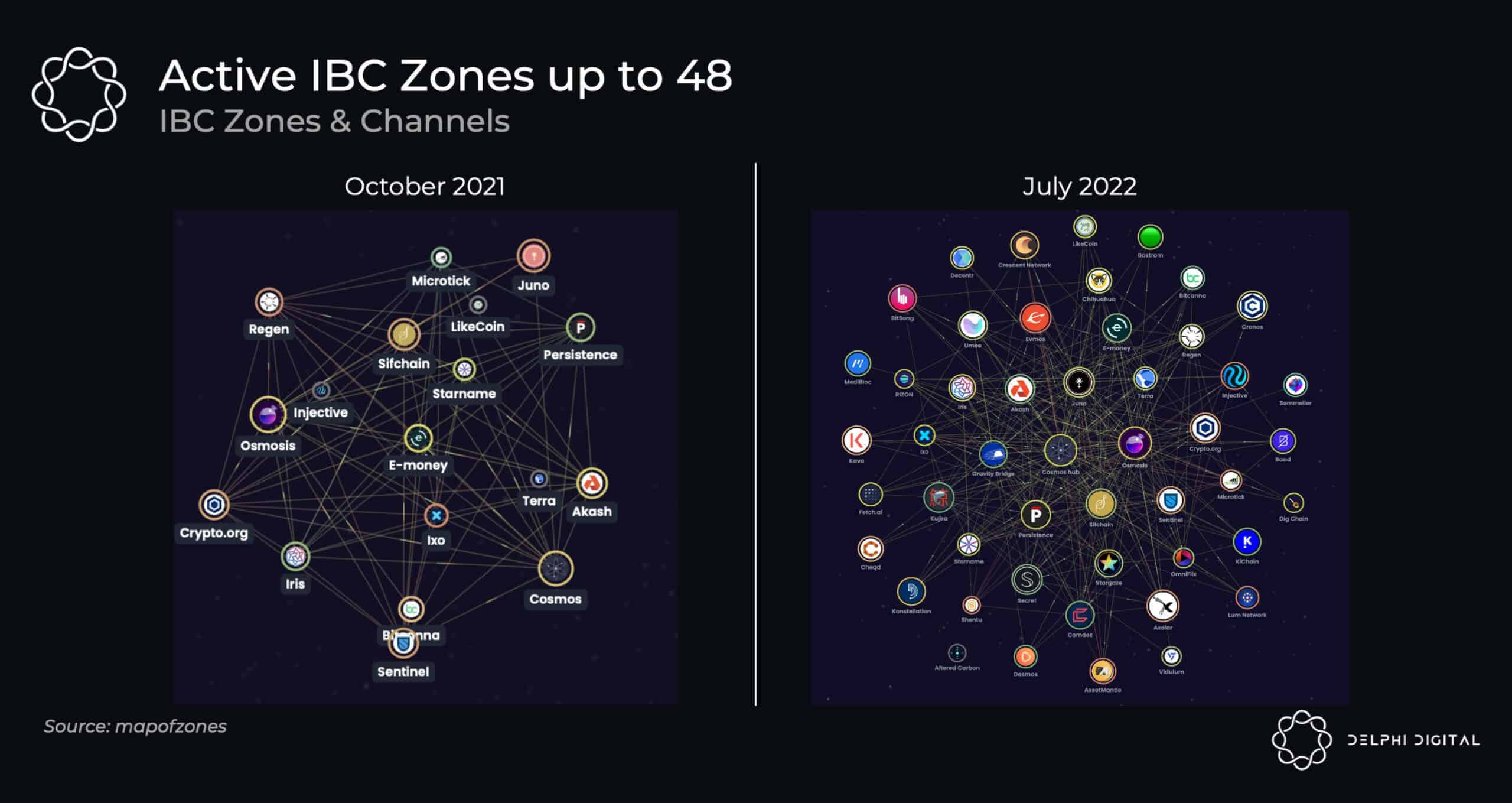
The roadmap introduces significant improvements to block production and transaction processing. By optimizing the Tendermint consensus engine and implementing parallel execution for IBC transactions, the Hub aims to increase throughput without compromising security. This allows for higher transaction volumes, which is essential for supporting the growing number of zones connected via IBC.
Middleware Integration
A major focus is the refinement of middleware protocols, which allow chains to share security and data without direct peer-to-peer connections. The 2026 updates streamline the deployment of these middleware layers, reducing the complexity for new chains joining the ecosystem. This creates a more modular architecture where chains can plug into shared services like light client verification and relayer networks.
Enhanced IBC Capabilities
The Inter-Blockchain Communication Protocol itself is receiving updates to support more complex data structures and improved packet handling. These changes ensure that IBC remains the most feature-rich cross-chain interaction standard, allowing chains to share any type of encoded data securely. The goal is to make these interactions trustless and atomic, ensuring that state changes on one chain are reliably reflected on another.
Why Cross-Chain Security Matters Now
Use this section to make the Cosmos IBC decision easier to compare in real life, not just on paper. Start with the reader's actual constraint, then separate must-have requirements from details that are merely nice to have. A practical choice should survive normal use, maintenance, timing, and budget. If a recommendation only works in an ideal situation, call that out plainly and give the reader a fallback path.
The simplest way to use this section is to write down the must-have criteria first, then compare each option against those criteria before weighing nice-to-have features.
No comments yet. Be the first to share your thoughts!