
Cosmos IBC 2026 Budget
Selecting a Cosmos IBC 2026 budget requires balancing three variables: the reliability of the relayer service, the complexity of the chains involved, and the transaction volume you intend to move. In 2026, the landscape has shifted from self-hosted relayers to managed services, meaning your primary cost is no longer server infrastructure but service fees.
Managed Relayer Services
For most teams, using a managed relayer provider like Crouton Digital or Chainstack offers the best balance of cost and reliability. These services handle the complex off-chain messaging and block scanning. Pricing typically ranges from $50 to $500 per month for basic tiers, scaling up based on the number of active channel pairs and message throughput. This approach eliminates the hidden costs of maintaining uptime and handling relayer downtime.
Self-Hosted Relayers
If you have the engineering bandwidth, running your own IBC relayer is significantly cheaper but operationally heavier. Costs are limited to VPS hosting ($10–$30/month) and basic monitoring tools. However, you are responsible for ensuring the relayer stays in sync with both source and destination chains. A missed block can lead to stuck packets and lost funds, making this option viable only for teams with dedicated DevOps support.
Gas and Transaction Fees
Beyond service fees, you must account for gas costs on both the source and destination chains. While Cosmos chains generally offer low fees, cross-chain transfers involve two separate transactions. During periods of high network congestion, these fees can spike. Budget an additional 10–20% buffer for volatile gas markets, especially when moving assets between chains with different tokenomics or higher traffic.
Security and Audits
Never cut corners on security. Ensure your chosen relayer provider has undergone independent security audits. The IBC ecosystem has seen several high-profile incidents due to relayer misconfiguration or smart contract vulnerabilities. A slightly higher monthly fee for a reputable, audited provider is a small price to pay for the security of your cross-chain assets.
Best Cosmos IBC Relayer Services
Moving assets across Cosmos chains requires a reliable IBC relayer. These off-chain services scan connected chains, build transactions, and ensure data reaches its destination. Choosing the right provider depends on your network, security needs, and budget. Below are the strongest options available in 2026.
| Provider | Type | Cost Model | Best For |
|---|---|---|---|
| ICA | Open Source | Free (self-hosted) | Developers and technical teams |
| Chainstack | Managed Service | Subscription | Businesses needing reliability |
| Cosmostation | Managed Service | Per-transaction fees | High-volume token transfers |
| Forbole | Managed Service | Custom pricing | Enterprise-grade infrastructure |
ICA (Interchain Accounts)
ICA is the original open-source relayer built by the Cosmos ecosystem. It is free to use but requires technical expertise to set up and maintain. It is ideal for developers who want full control over their cross-chain infrastructure.
Chainstack
Chainstack offers a managed IBC relayer service that handles the heavy lifting of transaction building and monitoring. It charges a subscription fee, making it a predictable choice for businesses that cannot afford downtime or technical complexity.
Cosmostation
Cosmostation provides a user-friendly, managed relayer with per-transaction fees. It is well-suited for projects that need to move large volumes of tokens quickly without managing their own relayer nodes.
Forbole
Forbole specializes in enterprise-grade IBC infrastructure. Their managed service offers custom pricing and high-performance relaying, making it a top choice for large-scale projects that require maximum uptime and security.
Inspect the expensive parts
Cross-chain interoperability sounds simple until a relayer goes offline or a middleware contract misfires. In the Cosmos ecosystem, these failures are rarely subtle; they usually result in stuck tokens or broken IBC channels. Before you commit funds or build on IBC 2.0, run through this practical inspection checklist to identify the high-cost failure points early.
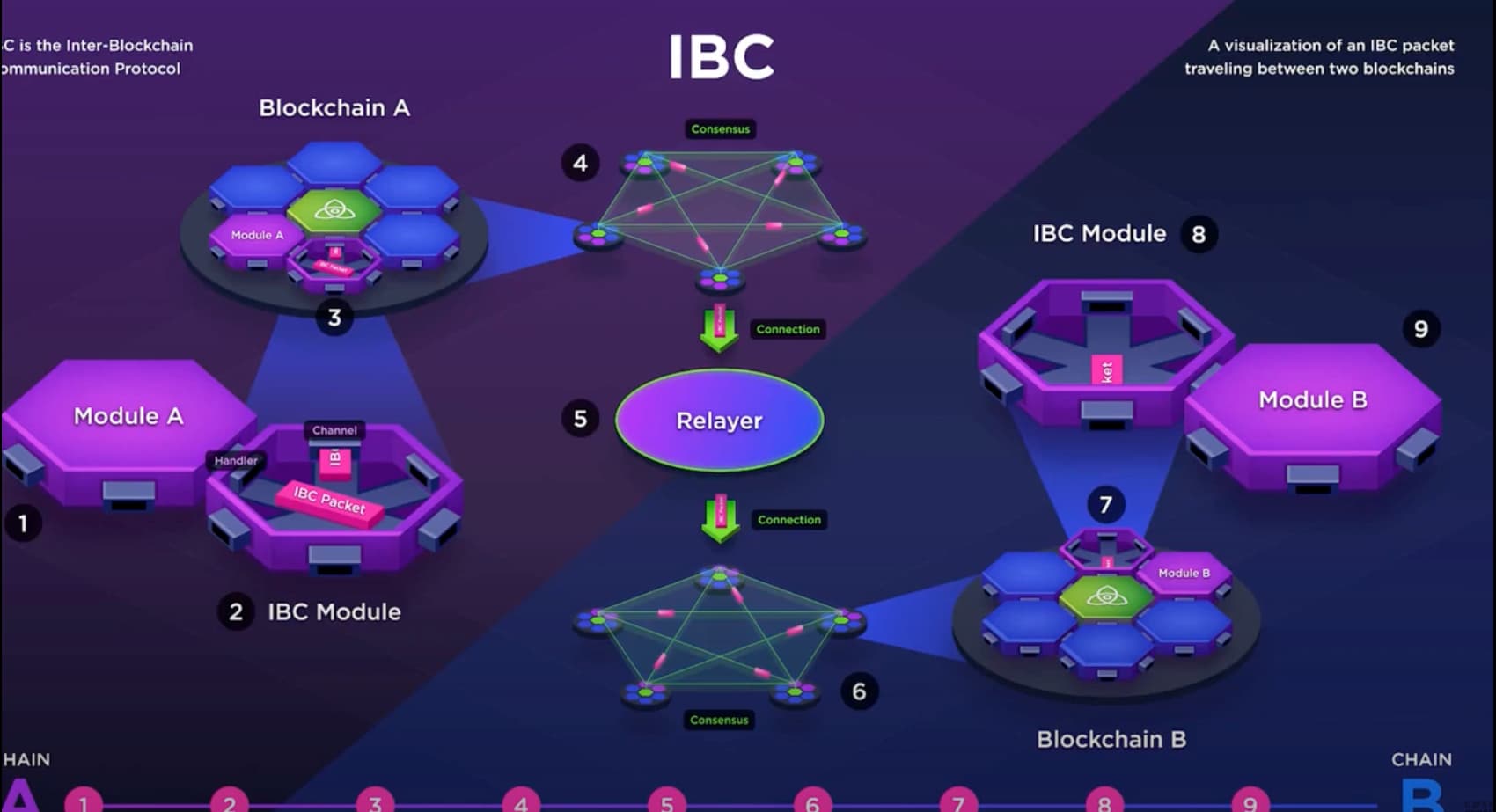
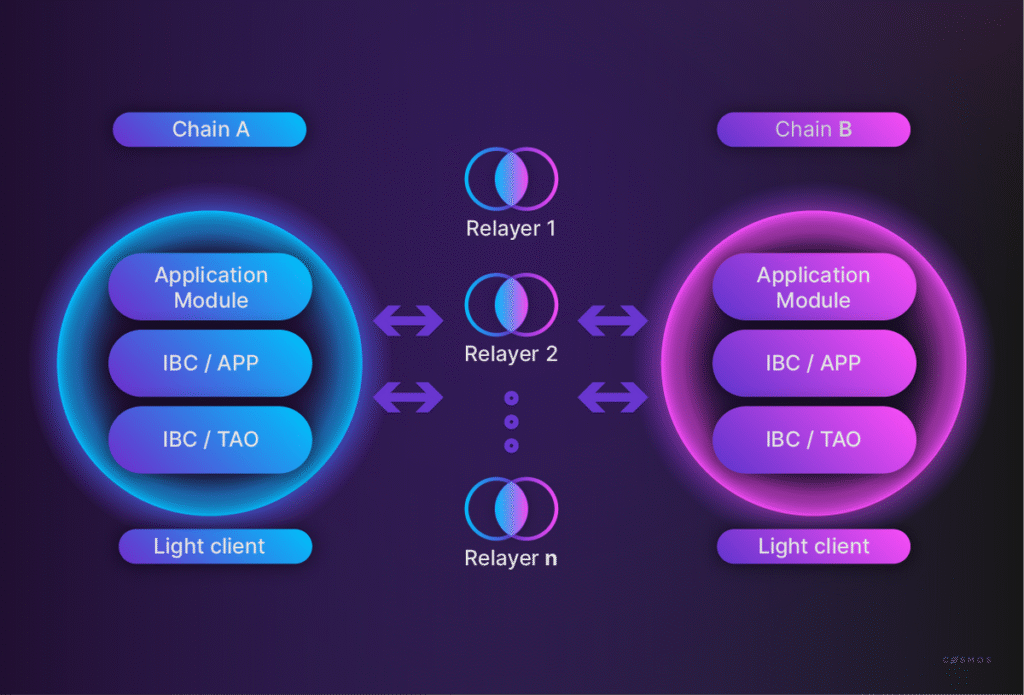
A single relayer is a single point of failure. Check if the protocol uses multiple relayer instances across different zones. Look for redundancy in the off-chain service layer that scans blocks and submits transactions. If the relayer stops, IBC packets queue up indefinitely, freezing liquidity.
Middleware sits between the IBC core and your application logic. Review the middleware contracts for any custom timeout logic or fee handling. Misconfigured timeouts can lead to premature packet drops, while incorrect fee structures may cause relayers to stop forwarding transactions. Ensure the middleware aligns with the IBC 2.0 specifications.
Inspect the active IBC channels between your chain and the counterparty. Look for any pending packets that have exceeded their timeout height. A backlog of stuck packets often indicates a misaligned clock or a relayer that is falling behind. Regularly monitor the channel state to ensure packets are being processed efficiently.
IBC transfers often require escrow accounts or locked tokens on the source chain. Verify that the escrow account holds sufficient liquidity for the expected transfer volume. If the escrow runs dry, transfers will fail until the liquidity is replenished. This is a common failure point during high-traffic periods or market volatility.
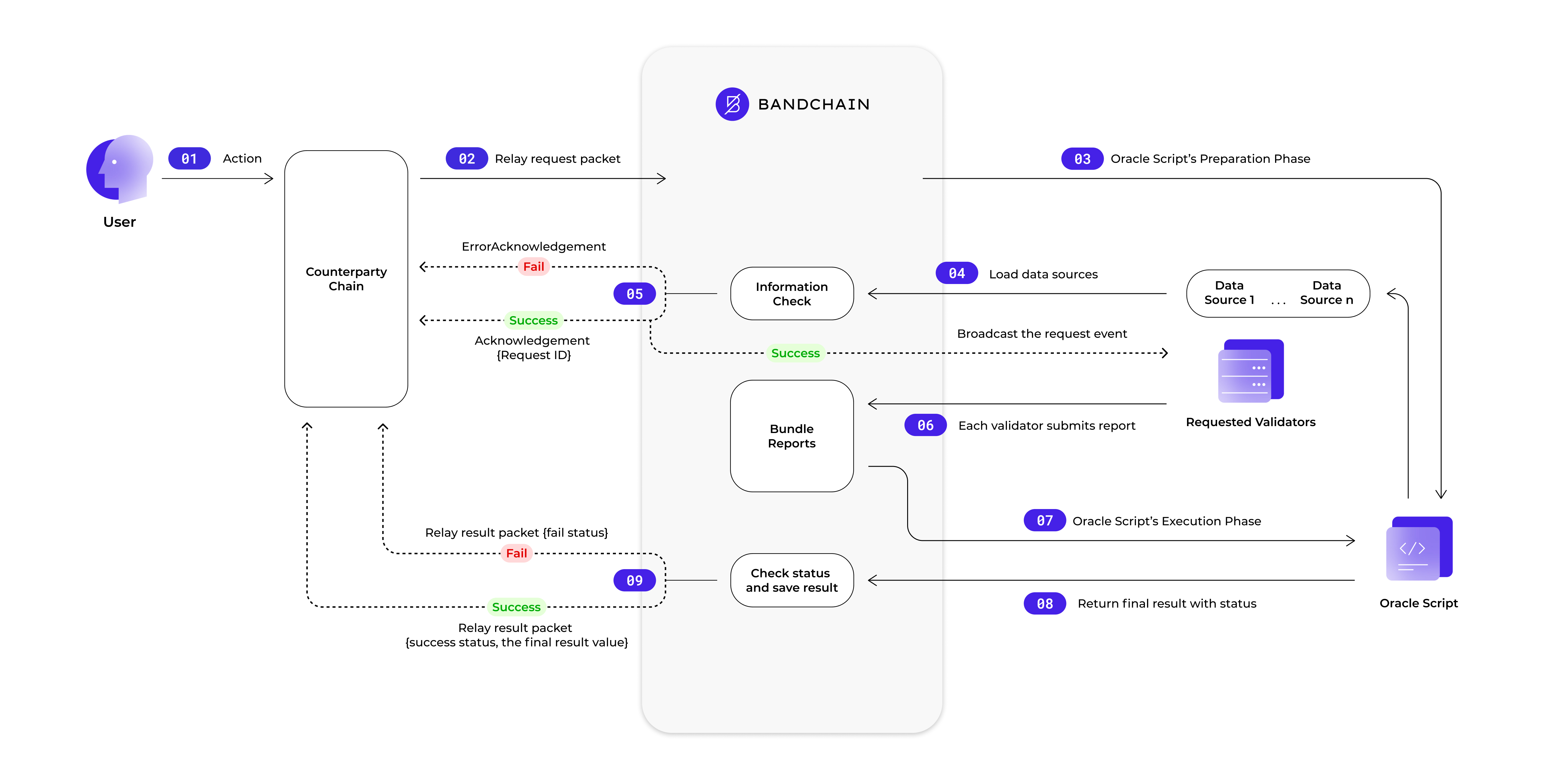
Simulate a failed transaction to ensure tokens are returned to the sender. IBC 2.0 includes improved error handling, but it must be configured correctly. If error handling is broken, tokens may be lost in the middleware or escrow. Always test the refund path before going live with mainnet funds.
These checks form the baseline for any serious IBC integration. Skipping them is a gamble with user funds. By focusing on these specific failure points, you can build a more resilient cross-chain experience.
Ownership Costs and Maintenance Surprises
The sticker price of a Cosmos IBC setup often masks the recurring expenses of keeping it running. While the software itself is open source, the infrastructure required to maintain reliable cross-chain communication adds up quickly. Many teams underestimate the operational overhead until they are already deep into deployment.
Relayer services are the primary cost driver. These off-chain services scan connected chains and build proofs to facilitate message passing. You can run your own relayer, which requires dedicated server time and technical maintenance, or pay a third-party provider for managed reliability. Managed services typically charge monthly fees that scale with transaction volume, turning what seemed like a one-time integration into a permanent line item.
Maintenance surprises often stem from software updates and security patches. As the Cosmos ecosystem evolves, IBC modules and middleware require regular upgrades to stay compatible with new chain versions. Ignoring these updates can lead to stalled transfers or broken bridges. Additionally, gas fees on both the source and destination chains must be accounted for; if a relayer node runs out of native tokens to pay for transaction fees, it will stop operating, potentially leaving assets stranded until liquidity is replenished.
As an Amazon Associate, we may earn from qualifying purchases.
When evaluating a Cosmos IBC solution, look beyond the initial development cost. A cheap buy stops being cheap if it requires constant manual intervention or expensive managed services to function. Factor in the cost of relayer hosting, gas reserves, and the engineering hours needed for routine maintenance to get a true picture of total ownership.
Cosmos ibc 2026: common: what to check next
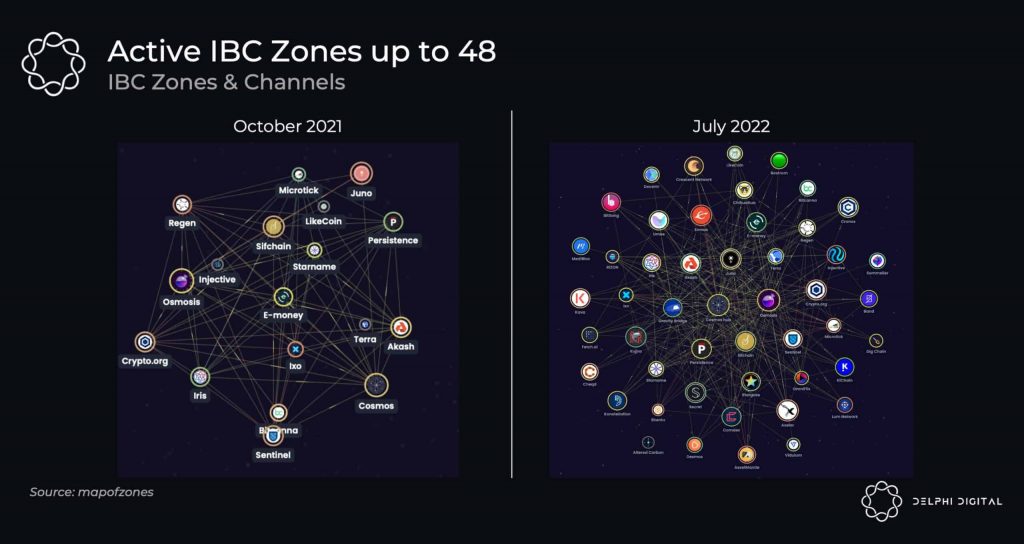
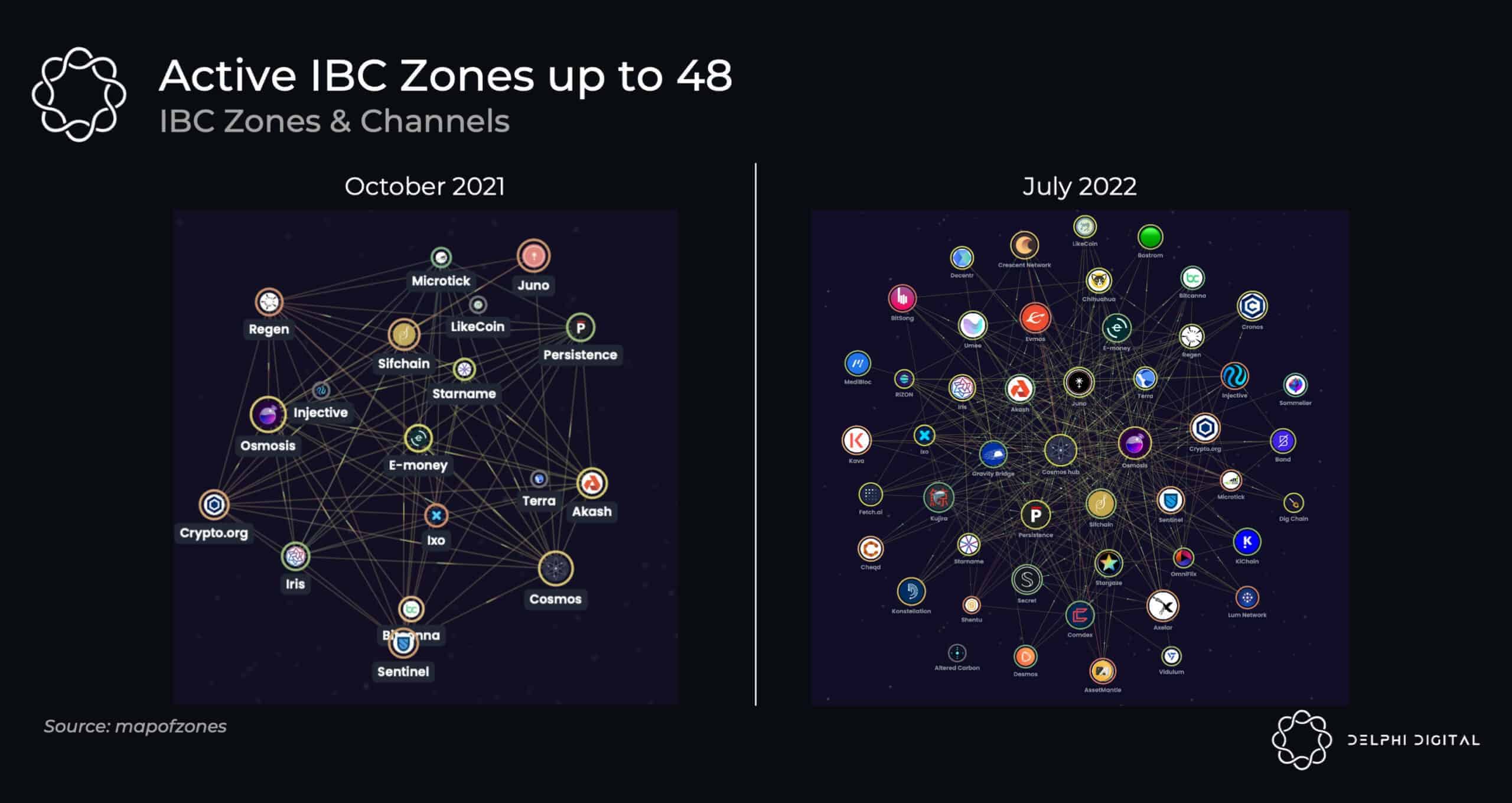
Cross-chain interoperability is moving from experimental to essential infrastructure in 2026. As the Cosmos IBC protocol matures, developers and users face new practical considerations regarding security, speed, and tooling. Below are the most frequent questions about how the ecosystem operates today.
No comments yet. Be the first to share your thoughts!