
Cosmos ibc 2026 limits to account for
The Inter-Blockchain Communication (IBC) protocol remains the core standard for Cosmos ecosystem interoperability, but the infrastructure layer is undergoing significant structural changes as we approach 2026. For institutions evaluating cross-chain liquidity, the shift from the legacy ibc-apps repository to more modular middleware frameworks is the primary constraint to monitor. The original monolithic repository is scheduled for archiving in August 2026, signaling a transition toward specialized, independent application modules rather than a single centralized codebase.
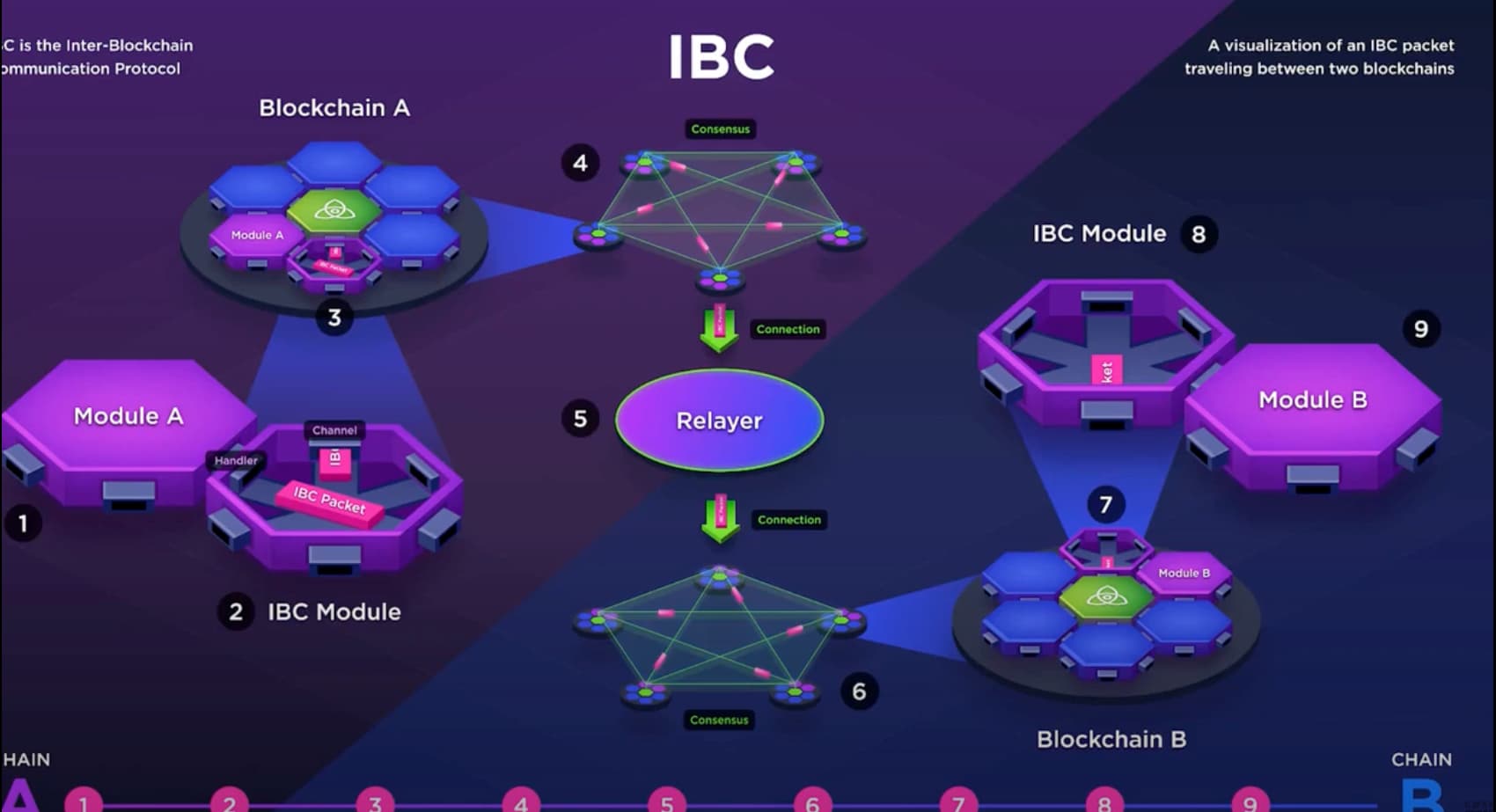
This architectural decoupling means that interoperability is no longer a plug-and-play feature but a configuration-heavy engineering task. Institutions must now evaluate the specific relayer providers and middleware stacks that will maintain packet forwarding and proof verification across heterogeneous chains. The reliability of these connections depends less on the Cosmos SDK core and more on the operational maturity of the off-chain relayer services scanning and signing transactions between chains.
As the ecosystem matures, the barrier to entry for secure cross-chain transfers rises. While the protocol itself remains open and permissionless, the operational risk shifts to the selection of robust, audited relayer infrastructure. Understanding this distinction between the protocol standard and the operational execution layer is critical for any entity planning to deploy institutional-grade cross-chain liquidity solutions in the 2026 landscape.
Cosmos ibc 2026 choices that change the plan
Institutional adoption of Cosmos IBC requires balancing speed, security, and operational complexity. As the ecosystem matures, the tradeoffs between different interoperability models become more distinct. Teams must choose between native chain integration, middleware solutions, or third-party relayer services based on their specific risk tolerance and technical capacity.
Native IBC Integration
Building native IBC support into a Cosmos SDK chain offers the highest level of control and efficiency. This approach eliminates reliance on external relayers, reducing latency and counterparty risk. However, it demands significant engineering resources to maintain light client logic and handle packet acknowledgment correctly.
Middleware and App-Chains
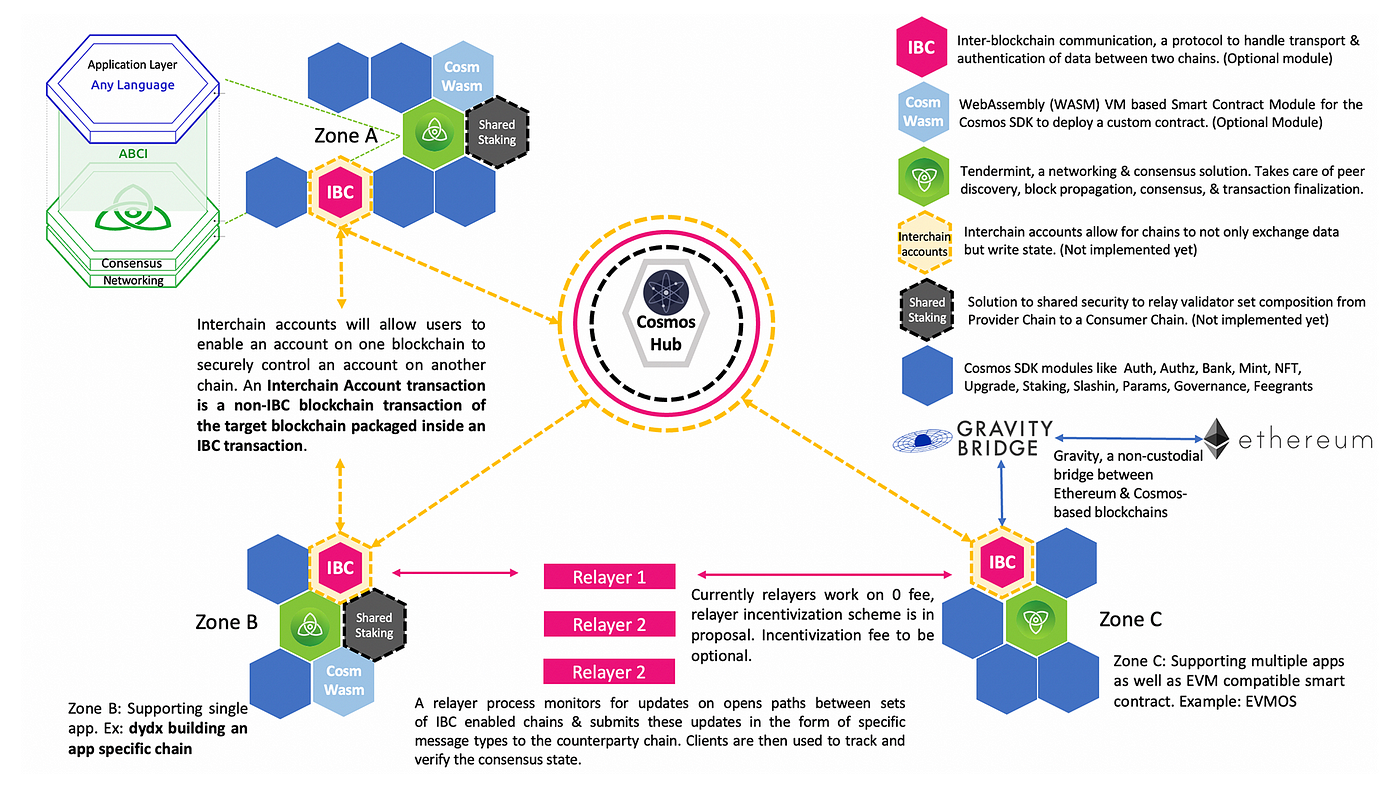
Middleware layers like Interchain Accounts (ICA) allow chains to control accounts on other chains without becoming full IBC-enabled nodes. This model simplifies development for application-specific blockchains that need cross-chain functionality but lack the bandwidth to manage full IBC stacks. The tradeoff is a slight increase in complexity for account management and state synchronization.
Third-Party Relayer Services
For non-Cosmos chains or those seeking rapid deployment, third-party relayer services provide a turnkey solution. Providers like Crouton or private relayer operators handle the heavy lifting of packet forwarding and light client monitoring. While this reduces initial development time, it introduces operational dependency and potential points of failure if the relayer provider experiences downtime or security breaches.
| Feature | Native IBC | Middleware/ICA | Third-Party Relayer |
|---|---|---|---|
| Security Model | Self-custodied light clients | Shared security via controller | Dependent on provider |
| Development Cost | High engineering effort | Moderate complexity | Low initial cost |
| Latency | Minimal (direct packet path) | Low (single hop) | Variable (depends on relayer speed) |
| Operational Control | Full control over nodes | Partial control via smart contracts | No direct control over nodes |
| Best For | Core hub chains and major apps | App-chains needing quick integration | Non-Cosmos chains or MVPs |
How to Choose the Right Cosmos IBC Relayer
Selecting a relayer is the single most critical infrastructure decision for any institution deploying Cosmos IBC. The relayer acts as the off-chain bridge, scanning blocks, building proofs, and submitting transactions across chains. If the relayer fails, assets are stuck. If it is compromised, funds are lost. There is no smart contract backup for the transport layer; the security model relies entirely on the integrity and uptime of the relayer service.
Institutional adoption requires moving beyond self-hosted, single-node relayers. You need a service that offers redundancy, cryptographic proof verification, and compliance-ready audit trails. The market has consolidated around specialized providers who manage the complex networking topology required for reliable cross-chain messaging.
1. Verify Cryptographic Verification Standards
Not all relayers verify proofs with the same rigor. Institutional-grade relayers must perform full light-client verification on both the source and destination chains. This means the relayer must maintain active light clients for every connected chain, validating the header and packet commitment proofs before submitting any transaction. Avoid providers that rely on simplified verification or skip header checks. The Cosmos IBC apps repository highlights the complexity of these middleware components, noting that many legacy implementations are being archived in favor of more robust, verified standards. Ensure your provider uses the latest IBC specification versions to prevent replay attacks.
2. Assess Network Topology and Redundancy
A single relayer node is a single point of failure. For institutional capital, you need a multi-node architecture with automatic failover. The best providers operate a distributed network of relayer nodes that monitor the same packet channels. If one node goes offline or falls behind in block synchronization, another node should seamlessly pick up the workload. This redundancy ensures that token transfers complete within the expected time window, even during network congestion or chain upgrades. Ask providers for their uptime SLAs and how they handle chain halts or forks.
3. Evaluate Compliance and Audit Capabilities
Institutions cannot operate in the dark. You need a relayer provider that offers detailed transaction logs, real-time monitoring dashboards, and the ability to pause transfers if suspicious activity is detected. Some providers offer "guardian" modes where large transfers require multi-sig approval. This level of control is essential for meeting KYC/AML requirements and internal risk management policies. Look for providers that have undergone third-party security audits and offer transparent incident response protocols.
4. Compare Fee Structures and Throughput
Relayer fees are typically charged per packet or per million packets. Because IBC transactions are relatively inexpensive compared to Ethereum L2s, the fee structure can vary significantly. However, cheap is not always better. Low-cost providers may cut corners on node infrastructure, leading to missed packets or delayed confirmations. Calculate the total cost of ownership, including the potential cost of capital being stuck due to relayer downtime. Aim for a provider that balances competitive pricing with guaranteed throughput and low latency.
5. Check Ecosystem Support and Chain Coverage
Not all relayers support every Cosmos SDK chain or IBC-enabled ecosystem. Ensure your provider supports the specific chains you plan to use, including any newer or less common IBC-connected networks. Some providers specialize in high-value chains like Osmosis, Juno, or Celestia, while others focus on broader interoperability. Verify that the provider has active, tested connections to your target chains and can handle the specific token standards (e.g., IBC-20, CW20) you intend to bridge.
List the specific Cosmos SDK chains and IBC-enabled ecosystems you need to connect. Determine the volume of transactions and the latency requirements for your use case.
Research providers that support your target chains. Prioritize those with institutional-grade security audits, multi-node redundancy, and compliance features.
Request documentation on their verification standards, uptime SLAs, and incident response plans. Test their monitoring dashboards and API access.
Execute small test transactions across your target chains. Measure confirmation times, success rates, and the ease of troubleshooting any issues.
Spot Weak IBC Options
Institutional adoption of Cosmos IBC requires scrutiny of the underlying infrastructure. Several common pitfalls can undermine cross-chain security and efficiency.
Relayer Dependency Risks
Many projects rely on centralized or single-provider relayers for message passing. If a relayer goes offline or is compromised, assets can be stuck. Always verify if the relayer is open-source and has multiple independent operators.
Deprecated App Repositories
Some older IBC application repositories are no longer actively maintained. For example, the official cosmos/ibc-apps repository is scheduled for archival in 2026. Relying on archived code can introduce unpatched vulnerabilities. Check the GitHub activity and last commit dates before integration.
Misleading "Zombie" Chains
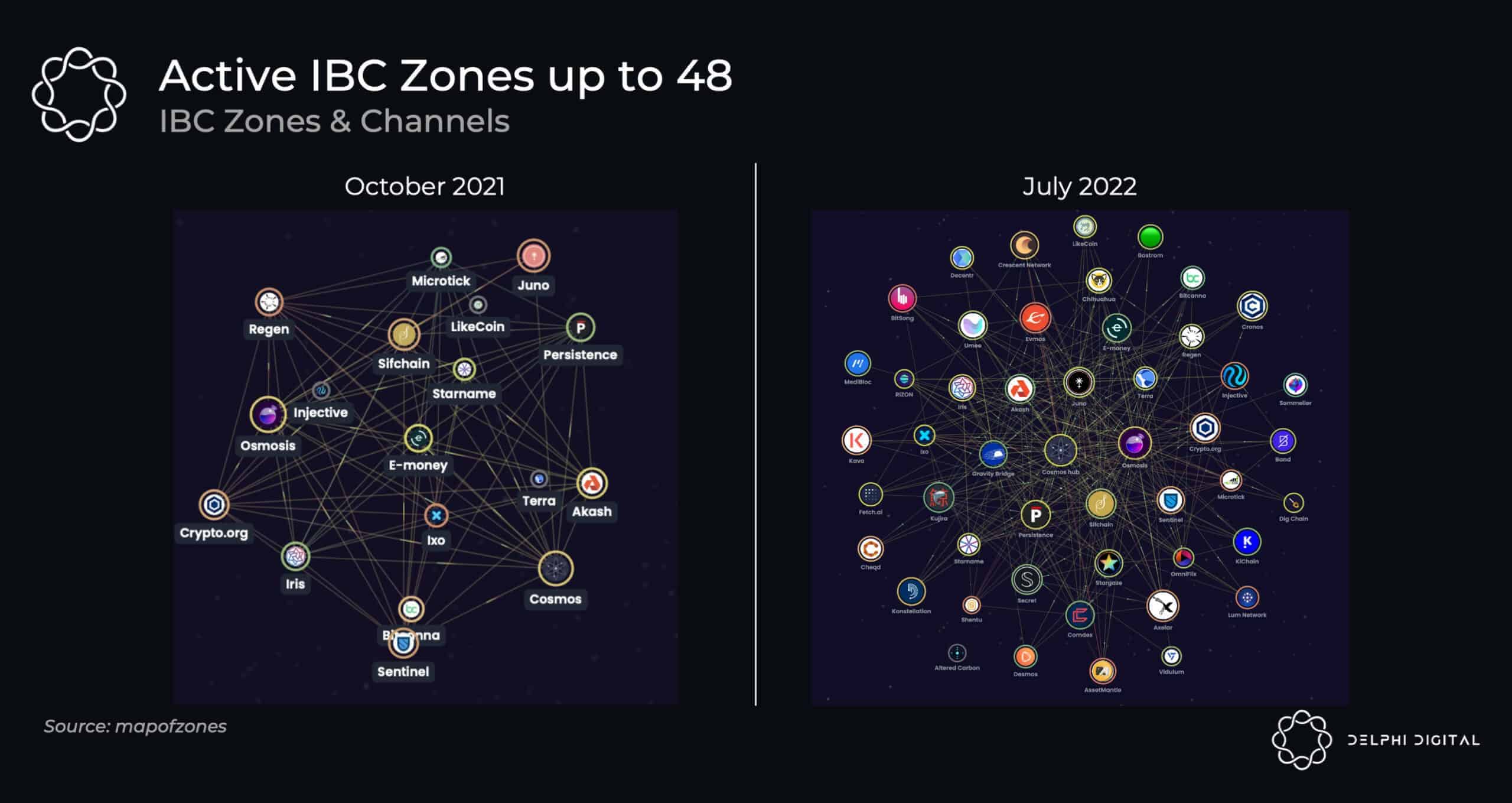
Not all chains claiming IBC compatibility are active. Some chains have no significant liquidity or traffic. Verify the total value locked (TVL) and transaction volume on both ends of the bridge before assuming interoperability adds value.
No comments yet. Be the first to share your thoughts!